EQIBank Seizure: $84M US Freeze Puts Offshore Bank at Collapse Risk
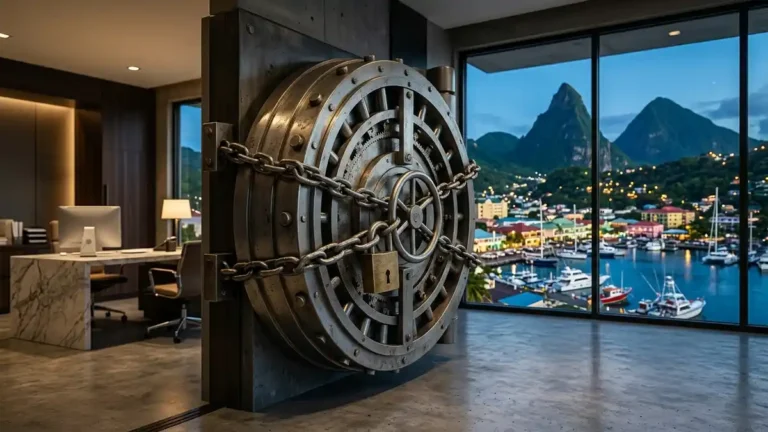
EQIBank seizure explained: US prosecutors froze $84M in the Dominica bank’s payment chain. What it means for offshore bank accounts in 2026.
EQIBank seizure explained: US prosecutors froze $84M in the Dominica bank’s payment chain. What it means for offshore bank accounts in 2026.

Non-resident LLC bank account freezes are spreading as fintechs tighten AML checks. Who’s hit, what still works, and how to keep US banking.
The EU foreign bank account ban (CRD VI Article 21c) applies from 11 January 2027. Who’s affected, what stays legal, and how EU residents keep offshore banking access.
Residents of 21 countries and territories are banned from opening Swiss bank accounts, including Americans. The full list, the reasons, and the legal ways forward.

How to open a Swiss bank account as a non-resident: entry-level options from 40 euros, crypto banking with Sygnum, and the private banking tier explained.
A bank account freeze can wipe you out overnight with no charges and no recourse. How governments do it, and why an offshore bank account is the only structural defense.
The bunq US bank charter was denied by the OCC on 7 August 2026, the second fintech rejection in a month. What it means for non-residents.

Wise bank charter denial by the OCC over AML failures and a $4.2M state consent order. What it means for non-residents banking offshore.

The delinquent FBAR submission procedures vanished from IRS.gov in July 2026, ending penalty-free late filing. What US filers abroad should do now.

CRS 2.0 took effect in 2026, ending the tie-breaker rule and forcing banks to report every residency you hold. A second passport no longer hides you.

How to protect your money from the EU by moving your banking, assets, and tax residency outside the bloc, with offshore gold and self-custody crypto.

Bank account closures are surging in 2026 as banks de-risk non-residents worldwide. See why it happens and how to protect your offshore money now.