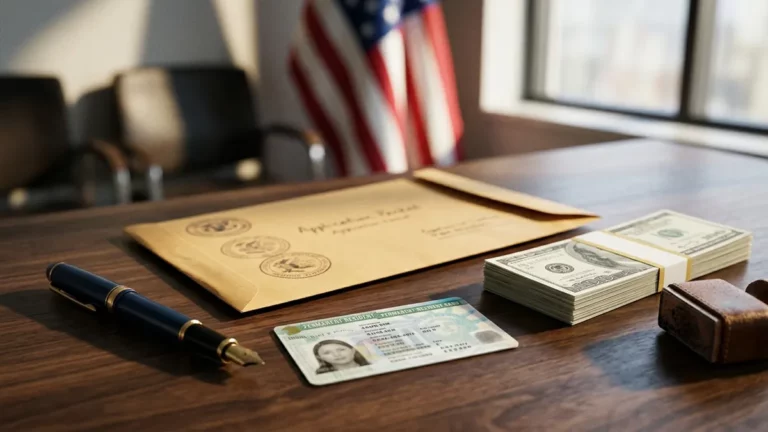
A green card bond of up to $100,000 could soon stand between new immigrants and permanent residence in the United States, after the State Department confirmed it is evaluating refundable six-figure deposits for immigrant visa applicants abroad.
WASHINGTON, D.C. — 17 July 2026
The Wall Street Journal broke the story on 15 July. State Department spokesperson Tommy Pigott then confirmed the administration is weighing a bond meant to prove newcomers are “financially self-sufficient” and “contribute to our society more than they take from it.” No rule has been published. The plan would begin as a pilot in a handful of countries.
For anyone whose Plan A runs through a US consulate, this is a wake-up call. Families comparing the American route against residency programs in 57 countries just watched the potential entry price jump by six figures.
Put your assets beyond reach in 57 jurisdictions.
Pick where you want your company. We handle the filing, the registered agent, and the bank introduction. From US$1,290, done in days, not months.
- Charging-order protection in jurisdictions courts can't pierce
- Zero tax on foreign income in 30+ territories
- Banking options available
- Fixed price. No surprise fees at closing
What Is the Green Card Bond Proposal?
The green card bond proposal is a State Department plan to require certain applicants for US permanent residence to post a refundable deposit of around $100,000 before their immigrant visa is issued. The money would return only after naturalisation, which takes at least five years from the day the green card arrives.
Officials told reporters the figure could land higher or lower depending on the case. The template already exists. Since August 2025, the visa bond pilot program has required B-1/B-2 visitor applicants from designated countries to post $5,000 to $15,000, and the State Department says the scheme now touches roughly 50 countries, with 97 percent of around 1,000 bonded travellers departing on time.
Here’s the kicker. Leave the US early, lose your status, or simply never naturalise, and that deposit stays locked up. A refund arrives only with a certificate of citizenship.
Who Would Pay the $100,000 Green Card Bond?
Immigrant visa applicants processed at US consulates abroad would pay the bond, with the State Department planning to pilot the requirement in a small number of countries first. American relatives could front the $100,000 on an applicant’s behalf, recovering it only once the immigrant naturalises as a US citizen.
Let’s be blunt about who this squeezes. Immigration attorneys quoted across this week’s coverage warn that a six-figure deposit would price ordinary middle-class families out of legal immigration entirely, leaving the family-sponsorship system to those with serious liquidity.
Half the enquiries we field from US-bound clients these days open with a cost question, not a visa question. Sponsorship maths that already stretched families to the limit turns brutal once a six-figure deposit enters the equation.
How the Bond Fits the Wider US Squeeze
One proposal is a headline. Four in a year is policy. The bond lands on top of visitor visa bonds, a $100,000 H-1B fee now tied up in court challenges, the slow-starting Gold Card launch, and a proposed EB-5 rule tightening aimed at investor green cards. The pattern reads the same from every angle: the US is repricing legal entry.
| US route | Money on the table | Status | Money back? |
|---|---|---|---|
| B-1/B-2 visitor visa bond | $5,000 to $15,000 | In effect since August 2025, roughly 50 countries | Yes, on timely departure |
| Green card bond (immigrant visas) | Around $100,000, case-dependent | Proposal, pilot planned | Yes, at naturalisation only |
| Gold Card residency | $1 million contribution | Launched 2026, slow uptake | No |
| EB-5 investor green card | $800,000 minimum (targeted employment area) | Active, tighter rules proposed | Investment at risk |
We see the same pattern every time Washington floats a number like this: a rush of applications trying to beat the rule, then a processing pile-up that punishes everyone in the queue. The clock is ticking for anyone mid-process.
When Would the Green Card Bond Take Effect?
The green card bond has no start date. As of 17 July 2026 no rule has appeared in the Federal Register, no consular instructions have changed, and pending applicants owe nothing. The State Department intends to test the bond in a few pilot countries before any wider rollout, and legal challenges are widely expected.
Court fights already stalled the H-1B fee, and a deposit of this size on family immigration would draw lawsuits the day it appears in print. That could delay implementation by months or kill it outright. Or the administration could pilot it quietly through the same machinery it used for visitor bonds, where no legislation was needed. Nobody knows which way it breaks. Not even close.
How much is the proposed green card bond?
Is the green card bond refundable?
Who can pay the immigrant visa bond for an applicant?
Is the US visa bond program in effect for green cards right now?
Is the bond the same as the Gold Card or EB-5?
The United States is repricing its front door, one program at a time. Whether the bond survives the lawyers or dies in draft form, the lesson for internationally mobile families is the one we have banged on about for years: never leave your family’s mobility hostage to a single government’s mood.
Sources and References
- The Hill, State Department considering $100,000 bonds on green card applicants
- Federal Register, Visas: Visa Bond Pilot Program
- US Department of State, Countries Subject to Visa Bonds
- US Citizenship and Immigration Services, EB-5 Immigrant Investor Program