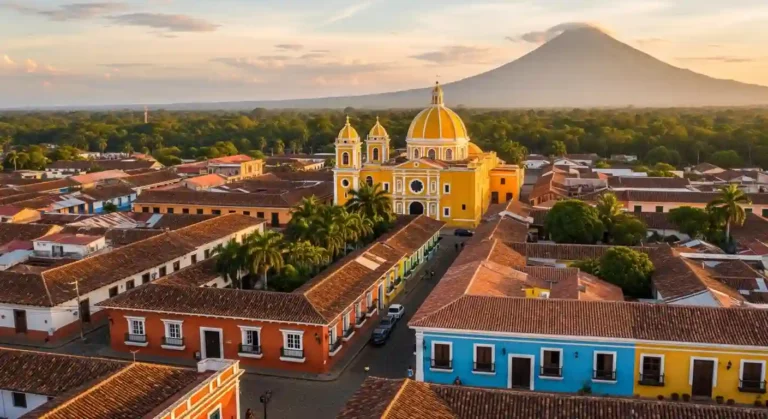
Residency in Nicaragua just became one of the smartest moves for retirees, remote workers, and investors looking to cut taxes, reduce costs, and build an international life. We’re talking about a territorial tax system where foreign income doesn’t get taxed at all, visa programs starting at just $1,000 per month, and a path to citizenship in as little as two years for specific investors.
Why Nicaragua Leads for International Residency
Three forces make residency in Nicaragua worth your attention: a territorial tax system that won’t touch your foreign income, costs that won’t drain your wallet, and multiple visa pathways that don’t require you to be a billionaire.
Start with the tax piece. Nicaragua only taxes money earned inside its borders. Your US Social Security? Not taxed. Your pension from Canada? Clean. Your rental income from a property in Spain? The IRS gets involved, but Nicaragua doesn’t. That ship has sailed for many countries, but not here. This is the backbone of why residency in Nicaragua works for people in their 50s, 60s, and beyond.
The cost of living screams at the decision-makers. You can live comfortably on $488 to $1,000 per month depending on your lifestyle and location. Not surviving, living. That’s rent, food, utilities, and the occasional night out. When you combine that with the tax benefits, the numbers don’t lie. Your purchasing power just doubled.
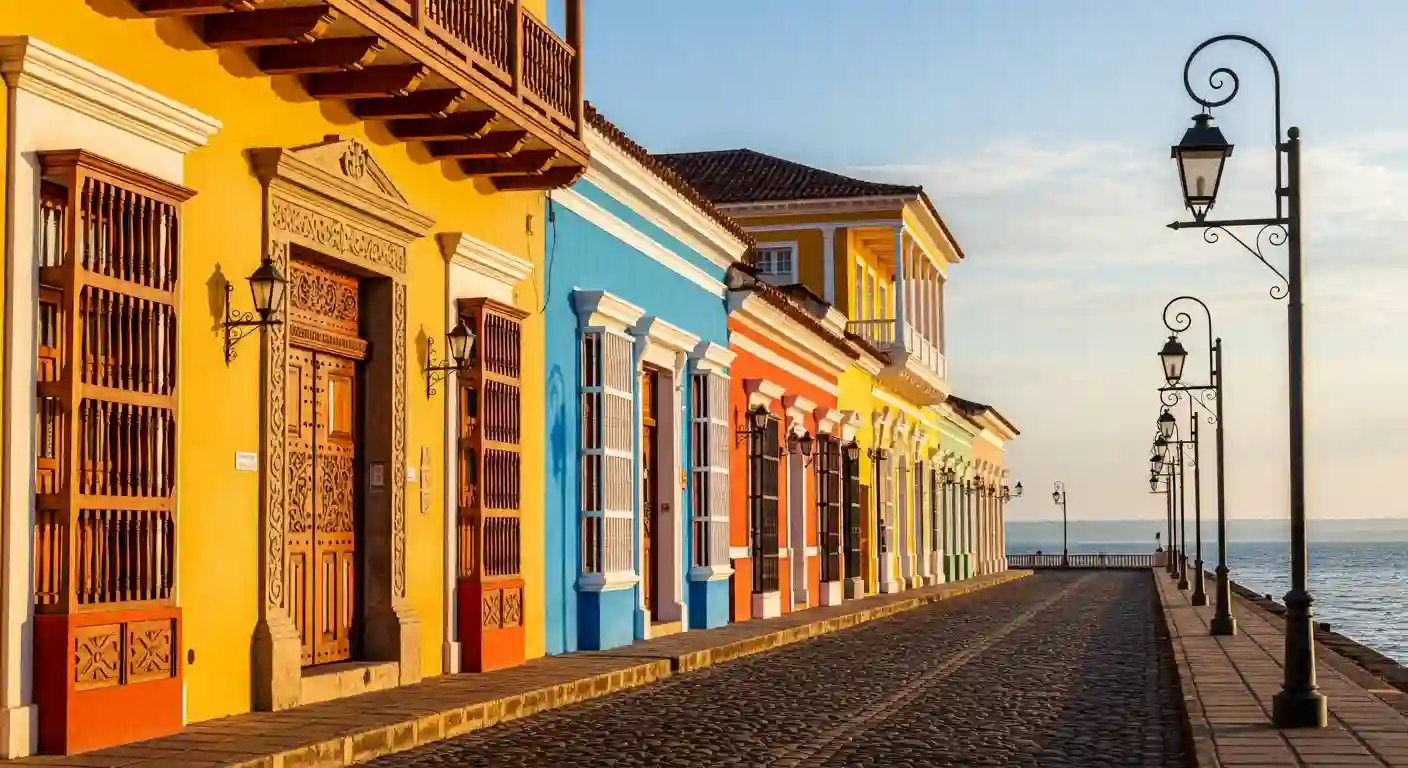
The visa structures make sense too. You’ve got five paths forward. Pick the one that fits your actual situation instead of forcing yourself into a mold that doesn’t work. Central Americans get faster citizenship timelines. Investors get immediate permanent residency. People with stable income get their shot at the pensionado or rentista visas. There’s no dead-end here.
Five Visa Pathways to Residency in Nicaragua
Liberty Mundo handles the strategy and implementation across all five routes. Here’s the breakdown.
| Visa Type | Monthly Requirement | Age Requirement | Permanent Residency Timeline |
|---|---|---|---|
| Pensionado (Retiree) | $1,000/month minimum | 45+ years old | Immediate (5-year term, renewable) |
| Rentista (Fixed Income) | $1,250/month minimum | 45+ years old | Immediate (5-year term, renewable) |
| Investor | $30,000 one-time investment | No age requirement | Immediate permanent residency |
| Worker Visa | Employment contract required | No age requirement | Temporary (renewable) |
| Family Reunion | Sponsorship by Nicaraguan relative | No age requirement | Temporary (renewable) |
The Pensionado Visa: Income-Proven Path for Retirees
The pensionado visa sits at the center of Nicaragua residency because it matches the actual situation of millions of people. You’ve got a pension. You’ve reached 45. You want to move. This route handles it.
You need to prove $1,000 per month in stable income. That income can come from a pension, Social Security, annuity, or any other documented source. Bring a dependent, add $150 monthly per person. The income must be documented and approved by INTUR, Nicaragua’s tourism authority.
One huge benefit: the pensionado visa opens the door to $20,000 in household goods import, duty-free. That’s furniture, electronics, appliances. Another perk lands you vehicle import rights. Every four years, you can bring in a vehicle worth up to $13,000 CIF with zero duties. That’s absolute lunacy pricing compared to buying locally.
The visa runs for five years, renewable. Process time? Three to eight months depending on document completeness and the load at immigration.
The Rentista Visa: Flexibility for Remote Workers and Investors
The rentista visa speaks to the new economy. You make money from investments, rental properties, or remote client work. You need documentation showing $1,250 monthly. That’s it. Age still 45+, but the income source doesn’t matter as long as you can prove it.
The mentality differs from pensionado. You’re not retired. You’re actively generating income from sources that aren’t traditional employment. Rentista shows the Nicaraguan government that you’re self-sufficient through alternative income streams. That’s what they want to see.
Same import benefits apply. Same five-year renewable term. Processing time runs parallel to pensionado, three to eight months.
The Investor Visa: Fastest Track to Permanent Residency
Here’s the kicker. Drop $30,000 into an approved investment, and permanent residency happens immediately. No waiting. No five-year renewal timelines. This is immediate permanent residency.
The investment can land in real estate, a business, forestry, agriculture, or other government-approved projects. The government targets job creation. Put your $30,000 to work, create local value, and residency becomes permanent.
Central American investors get an even sweeter deal. Citizenship in two years instead of four. That’s not a typo. Two years, and you get a second passport plus all the residency benefits stacked on top.
Worker and Family Reunion Visas: Employment-Based Routes
The worker visa ties to actual employment with a Nicaraguan company. You need a job offer, an employment contract, and approval from labor authorities. It’s temporary, renewable, but doesn’t lead directly to permanent status without additional steps.
The family reunion visa lets Nicaraguan citizens or permanent residents sponsor you. A child in Nicaragua? A parent? A spouse? They can bring you through this pathway. It’s temporary, renewable, and creates a different trajectory toward residency.
Tax Benefits: The Territorial System That Changes Everything
Wake-up call: Most countries tax worldwide income. The United States does. Canada does. Most of the EU does. Nicaragua doesn’t.
The territorial tax system means Nicaragua taxes only money earned inside Nicaragua. Your foreign pension? Not taxed. Your rental income from a property in Portugal? Not taxed by Nicaragua (Portugal might tax it, but that’s Portugal’s problem). Your investment dividends from the US? Nicaragua doesn’t see a penny.
Personal income tax in Nicaragua runs progressive. Zero percent on the first 100,000 NIO annually, then 15% on the next bracket, 20% above that, and 30% on income over 1,000,000 NIO. But here’s the thing: that only applies to Nicaraguan-sourced income. Foreign income doesn’t hit those brackets at all.
The corporate tax rate sits at 30% on Nicaraguan-source business income. Capital gains tax? 15%. Dividend withholding for residents, 15%. But again, all territorial. Foreign-sourced corporate income doesn’t get taxed.
This structure creates an enormous advantage for pensionados and rentistas. Your income comes from outside Nicaragua. It doesn’t trigger tax liability locally. You pay zero tax on that income. The cost of living is so low that your tax-free income goes even further.
Cost of Living: How Far Your Money Stretches
The monthly budget question matters because it determines which visa makes sense. Let’s be blunt: location and lifestyle change everything.
| Location | Budget (Single Person/Month) | Budget (Couple/Month) | Lifestyle |
|---|---|---|---|
| Managua (Capital) | $600-900 | $1,000-1,400 | Urban, restaurants, services |
| Granada (Colonial) | $700-1,000 | $1,100-1,600 | Expat-friendly, tourism, social |
| Leon (University City) | $500-750 | $800-1,200 | Cultural, budget-conscious |
| San Juan del Sur (Beach) | $650-950 | $1,050-1,450 | Beach lifestyle, tourism, social |
These numbers assume a mix of local and expat living. Rent in Managua runs $300-600 depending on neighborhood. A nice meal out costs $5-10. Local taxi rides, $0.50. Internet, $25-35.
The bottom line: The pensionado’s $1,000 monthly requirement covers a comfortable life. Not lavish, but real comfort. Groceries at the local market cost half what you’d pay back home. Restaurant meals for two, $15-20 including drinks.
Granada pulls higher prices because expats congregated there. It became the social hub, which means restaurant owners know their market. Leon stays cheaper because it’s less touristy. San Juan del Sur sits between the two because it’s beach-adjacent and popular with younger expats.
Step-by-Step Process to Residency in Nicaragua
The process has layers, but the structure is dead simple once you know it. Here’s how it unfolds.
Step 1: Determine Your Visa Category and Gather Documentation
Contact Liberty Mundo to evaluate your situation. Are you 45+? Do you have $1,000 monthly income documented? Do you want to invest instead? This determines which visa makes sense. Liberty Mundo collects required documents: passport, police certificate, health certificate, proof of income or investment source, and a passport photo.
Step 2: Prepare Official Documentation
Gather police records from your home country proving no criminal conviction. Get a health certificate from a licensed physician. Bank statements or pension statements proving the monthly income (if pensionado or rentista). For investors, documentation of the $30,000 investment commitment.
Step 3: Submit Application to Nicaraguan Immigration
Liberty Mundo submits the complete application package to the Dirección General de Migración y Extranjería (General Directorate of Migration). This includes the visa request form, supporting documents, and application fee (typically $100-300 depending on visa type).
Step 4: Immigration Review and Communication
Immigration begins their review. Processing takes 3-8 months. Liberty Mundo tracks status and communicates with immigration officials on your behalf. Questions from immigration? Liberty Mundo handles them.
Step 5: Approval and Residency Card Issuance
Once approved, immigration notifies you. You travel to Nicaragua to collect your residency card (cédula) from immigration offices. For some visa types, you can arrange collection through a Nicaraguan consulate near you.
Step 6: Register with Tax Authority (Optional but Recommended)
Register with the Dirección General de Ingresos (tax authority) and obtain an RUC tax identification number. This formalizes your status and positions you for any potential business activities. Even if you don’t do business, it documents your residency for future applications.
Common Mistakes That Slow Down or Block Approval
Watching people stumble on residency in Nicaragua teaches you what not to do. These are the trap doors.
Incomplete or Unverified Documentation
Immigration won’t move forward on partial applications. Police certificate missing? Held up. Health certificate from an unlicensed provider? Not acceptable. Bank statements in a language immigration can’t read without translation? Rejected. Every document needs to be notarized, translated to Spanish if not originally Spanish, and apostilled if it comes from outside Nicaragua.
This sounds tedious. It is. Liberty Mundo handles it because we know exactly what immigration needs and the format they demand.
Insufficient Income Documentation
If you’re applying pensionado or rentista, immigration needs clear proof of the monthly requirement. A single bank statement? Weak. Three to six months of statements showing consistent deposits? Strong. Social Security letters directly from the agency? Perfect. Pension statements from your employer or pension administrator? Perfect. Vague explanations or missing months make immigration suspicious.
Criminal Record or Police Issues
Even decades-old convictions can create obstacles. A DUI from 20 years ago, a misdemeanor for protest, a traffic fine that went to collections, Nicaragua’s immigration reviews it all. They want people without legal complications. If something exists on your record, disclose it proactively. Immigration appreciates honesty more than discovering surprises.
Missing or Incorrect Vital Documents
Your passport expires in 18 months? Too close. Immigration wants at least two years of validity remaining. Birth certificate wrong translation? Problem. Name inconsistencies between documents? Red flag. These small things stop applications cold.
Attempting the Process Without Local Support
DIY immigration is possible, but it costs time. Plenty of people waste six months on correctable document issues. Translation services charge local rates and sometimes miss technical requirements. Nicaraguan attorneys vary wildly in competence. Using Liberty Mundo eliminates the friction because we’ve done this thousands of times.
Residency in Nicaragua vs. Other Latin American Options
How does Nicaragua stack up? Here’s the honest comparison.
| Factor | Nicaragua | Costa Rica | Panama | Honduras | Ecuador |
|---|---|---|---|---|---|
| Monthly Income (Pensionado) | $1,000 | $1,081 | $1,350 | $1,200 | $1,500 |
| Territorial Tax System | Yes | Yes | Yes | Yes | Yes |
| Citizenship Timeline | 4 years (2 years for Central Americans) | 4 years | 5 years | 3 years | 3 years |
| Monthly Cost of Living | $488-1,000 | $1,200-1,800 | $1,200-1,500 | $600-1,000 | $600-1,200 |
| Investor Visa | $30,000 | $150,000 | $200,000 | $50,000 | $31,500 |
| Healthcare Quality | Good/Developing | Good/Advanced | Good/Advanced | Developing | Good/Adequate |
Nicaragua wins on cost and entry price for investors. Costa Rica wins on infrastructure and stability but costs double. Panama offers financial services sophistication and lower taxes for certain structures. Honduras costs less but has security concerns. Ecuador has cheaper living but weaker passport power.
The choice depends on priorities. Pure cost and low barrier to entry, Nicaragua. Established expat community and developed infrastructure, Costa Rica. Financial sophistication and tax optimization, Panama.
Path to Citizenship: From Residency to Second Passport
Residency in Nicaragua opens the citizenship door. Here’s how the timeline works.
Standard applicants wait four years. Live in Nicaragua for that period, maintain physical presence according to visa requirements, pass a Spanish-language civics exam, and citizenship approvals happen. Four years isn’t instant, but it’s faster than many developed nations.
Central Americans get expedited treatment. Two years instead of four. Want a second citizenship that fast? If you have Central American heritage, ancestry, or dual eligibility, this path accelerates everything.
Investor visa holders also get favorable treatment. Citizenship faster. More flexible physical presence rules. The government appreciates capital commitment and rewards it.
One critical update as of 2025: Nicaragua eliminated dual citizenship for non-Central Americans through constitutional amendment, effective 2026. That means if you become a Nicaraguan citizen, you may have to renounce your home country citizenship depending on your home country laws. Central Americans retain dual citizenship rights. This is not a show-stopper, but it matters for planning.
The Nicaraguan passport ranks 38th globally with 125 visa-free destinations. Not elite-tier like German or Singapore, but solid access to Latin America, parts of the EU, and numerous developing nations. For specific travel goals, Liberty Mundo advises whether the passport serves your mobility needs.
Frequently Asked Questions About Residency in Nicaragua
Can I get residency in Nicaragua with less than $1,000 per month income?
How long does residency in Nicaragua processing take?
Do I have to live in Nicaragua full-time after getting residency?
What happens if my income drops below the required amount?
Can I work in Nicaragua on a residency visa?
Is the $30,000 investor visa really permanent residency immediately?
How much will my taxes be as a resident in Nicaragua with foreign income?
What’s the difference between pensionado and rentista visas?
Can my family members come with me under residency in Nicaragua?
What happens to my residency if I miss the renewal deadline?
Does residency in Nicaragua require health insurance?
Your Next Move: Make Residency in Nicaragua Happen
Here’s the reality. Residency in Nicaragua doesn’t happen by accident. It requires deliberate action, correct documentation, and someone managing the relationship with immigration.
Five visa pathways exist. One fits your situation perfectly. The pensionado or rentista route if you have regular income. The investor route if you have capital. The worker or family reunion routes if you’re pursuing different goals. The territorial tax system means your foreign income stays yours, not the government’s.
Cost of living runs $488 to $1,000 monthly depending on location and lifestyle. That’s bottom line money stretched further than back home. Throw in the tax benefits, and your actual purchasing power is even stronger.
The citizenship path becomes available after 4 years. Two years for Central Americans or investor visa holders. That second passport solves mobility problems and opens future flexibility.
Liberty Mundo has guided thousands through this process. We know what immigration wants. We know which documents satisfy their requirements. We know the timelines, the fees, the renewal processes, the citizenship transitions. We handle all of it because our job is making residency in Nicaragua simple.
Your next step is a conversation. Tell us your situation, your timeline, your goals. We map which visa works, what it costs, and how long it takes. Then we drive the entire process from application through approval.
Put your assets beyond reach in 57 jurisdictions.
Pick where you want your company. We handle the filing, the registered agent, and the bank introduction. From US$1,290, done in days, not months.
- Charging-order protection in jurisdictions courts can't pierce
- Zero tax on foreign income in 30+ territories
- Banking options available
- Fixed price. No surprise fees at closing
Internal Resource Links
For deeper exploration of residency strategies, learn how second citizenship connects to your residency choice. Explore tax optimization across countries, and review the best tax havens worldwide. For broader context, read about citizenship by investment programs and compare with retiring in Costa Rica. Check your freedom score to see where residency in Nicaragua fits your overall strategy.
Sources and References
- PWC Tax Summaries Nicaragua – Individual Income Tax: https://taxsummaries.pwc.com/nicaragua/individual/taxes-on-personal-income
- PWC Tax Summaries Nicaragua – Corporate Income Tax: https://taxsummaries.pwc.com/nicaragua/corporate/taxes-on-corporate-income
- TaxAtlas Nicaragua Country Profile: https://taxatlas.io/country/nicaragua
- CISA Trust Nicaragua Tax System Overview: https://www.cisatrust.com/country-profiles/nicaraguas-tax-system/
- US State Department Nicaragua Investment Climate Statement 2025: https://www.state.gov/wp-content/uploads/2025/09/638719_2025-Nicaragua-Investment-Climate-Statement.pdf
- Nicaragua Immigration Law (Ley No. 761) – National Assembly of Nicaragua: https://legislacion.asamblea.gob.ni/normaweb.nsf/($All)/E50753D9D98CAED006257862005C5B6A
- World Bank Nicaragua Overview 2025: https://www.worldbank.org/en/country/nicaragua/overview