
Retiring in France isn’t some fantasy for the ultra-wealthy anymore. The numbers don’t lie – with the right visa strategy and a modest nest egg, you can trade your high-tax home country for world-class healthcare, walkable cities, and a lifestyle that won’t bankrupt you. The kicker? France has lost the plot on attracting retirees compared to Portugal and Spain, which means less competition and better conditions for smart investors who know the system.
This is the complete playbook to retire in France in 2026. We’re talking actual numbers, real timelines, and zero sugar-coating about the tax implications. By the end of this guide, you’ll know exactly which visa to pursue, how much you need to save, and whether France makes sense for your situation – or if one of its competitors is a better fit for your plan to retire in France.
Why Retire in France? The Real Picture
France gets glorified in tourism ads, but let’s talk actual retirement logistics. The French government hasn’t exactly rolled out the welcome mat for foreign retirees the way Portugal did with the D7 visa or Greece with its flat-tax scheme. That’s actually good news if you want to retire in France – less marketing hype, fewer competitors, and more realistic pathways if you understand the rules.
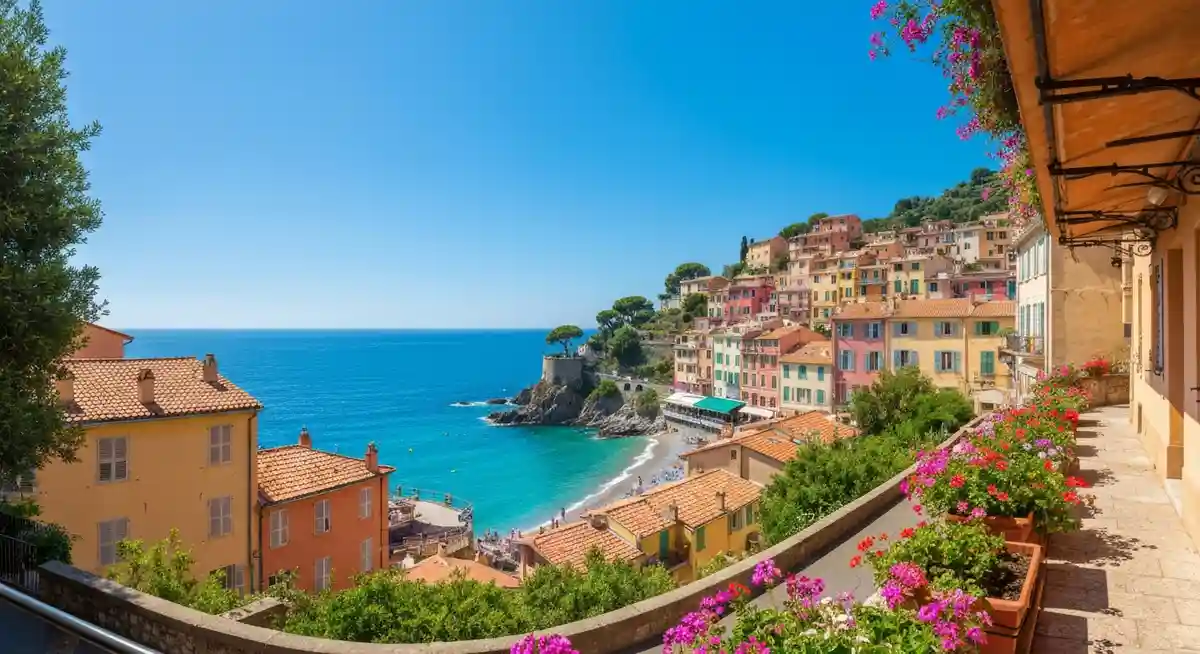
The appeal boils down to five concrete factors. First, universal healthcare that actually works. You pay into the system, you get treated like a citizen – no pre-existing condition denials, no deductibles that crater your budget. Second, lifestyle. France isn’t just Paris. You get medieval towns in Provence, mountain villages in the Alps, coastal regions in Brittany, all with functioning infrastructure and real culture that doesn’t disappear at 9 PM. Third, food and wine aren’t marketing – they’re just better and cheaper than back home. A decent bottle of Bordeaux runs EUR 8-15 at the vineyard.
Fourth, the pension system is one of Europe’s most generous if you can get residency rights. And fifth – here’s the kicker – stability. France is NATO, EU, stable rule of law, no surprise policy pivots. Your visa won’t suddenly disappear because the government changed.
But absolute lunacy would be pretending France is better than every alternative when you’re deciding where to retire in France vs. its neighbors. Portuguese healthcare is simpler to access. Spain’s Non-Lucrative Visa runs lighter bureaucracy once approved (Spain’s Golden Visa was abolished in April 2025, so that door is permanently closed). Greece’s flat-tax deal is unbeatable if you’ve got investment income. Italy’s elective residence is easier administratively. The wake-up call is this: you need to run the numbers for YOUR specific income mix before committing to retire in France.

The Visitor Visa – Your Gateway to Retire in France
The VLS-TS Visiteur (visitor long-stay visa) is the primary route for most foreign retirees who want to retire in France. Dead simple concept: prove you have enough income to support yourself, show no intention to work, and France will let you stay. The visa itself is renewable and eventually converts to permanent residency, which is why it’s the default starting point when you retire in France.
Income requirements are the core numbers you need to hit when you retire in France. For a single person, you need to prove EUR 1,400 per month gross income (the SMIC – minimum statutory wage used as reference). For couples who retire in France, the requirement balloons to EUR 20,000-25,000 annually depending on your prefecture. That’s EUR 1,667-2,083 per person, so technically couples don’t get economies of scale. This income can come from pensions, Social Security, annuities, rental income, investment income – anything legitimate and traceable.
The French government wants documentation. Bank statements showing regular deposits, pension letters from your home country, rental agreements if applicable, dividend statements. They’re checking that this isn’t going to evaporate next month. The process isn’t automated – a human reviews your file, and if they get a bad feeling, they can request more evidence. Plan for 6-18 months from application to approval depending on your prefecture.
The visa itself costs EUR 150-350 depending on your nationality and where you apply. Application fees vary by country. If you’re applying from outside France, you’ll go through a French consulate in your home country. If you’re already in France on another visa (visitor, student, whatever), you can sometimes convert to the long-stay visitor visa from within the country – though this is NOT guaranteed and depends on your prefecture’s rules.
One critical caveat: the VLS-TS Visiteur explicitly prohibits any form of work. Self-employment, side hustles, freelance gigs – all off limits. If you’re caught working on this visa, you’re deported and blacklisted. If your income is from remote work for a foreign employer, that’s technically work and technically prohibited. Some people do it quietly, but that’s a personal risk calculation, not a legal pathway.
The visa is valid for 12 months initially, then can be renewed annually as long as you maintain your income requirement and don’t establish tax residency without the right documentation. After 5 years of continuous residence on this visa, you become eligible for permanent residency – a game-changer we’ll cover later.
Cost of Living – What Your Money Actually Buys
Numbers are dead simple when you break them down by category. If you retire in France outside major cities, a single person can live comfortably on EUR 1,700-2,500 per month including rent. In Paris, that number jumps to EUR 2,300-2,500 minimum because rent alone eats 40-50% of smaller budgets.
Here’s how it divides up:
| Category | Monthly Cost (EUR) | Notes |
|---|---|---|
| Housing (1-bed apartment outside Paris) | 500-900 | Includes utilities. Paris centre 1-bed: EUR 1,200-1,600 |
| Groceries & food (home cooking) | 250-350 | More if you eat out regularly. Wine budget separate |
| Utilities (electric, gas, water, internet) | 100-150 | Higher in winter, lower in summer |
| Transportation (car or public transit) | 50-150 | Cars need insurance, fuel. Transit cheaper in major cities |
| Healthcare (after insurance) | 30-100 | Prescriptions often under EUR 10. Dentistry not fully covered |
| Phone & entertainment subscriptions | 30-60 | Mobile plans: EUR 10-20, streaming extras EUR 20-40 |
| Miscellaneous (haircuts, dry cleaning, gym) | 100-200 | Lifestyle dependent |
Couples outside Paris can budget EUR 2,100-2,800 per month. Add a third person and you hit EUR 3,500-4,200. These numbers assume modest living – eating out twice a week, no fancy hobbies, one car or public transit. If you’re the type to wine-taste in Burgundy every other weekend, add EUR 500 minimum.
Regional variation is real. Provence, the Côte d’Azur, and ski resort towns cost 15-25% more than the national average. Rural Brittany or the Pyrenees cost 10-15% less. The Dordogne region (southwestern France) hits the sweet spot – lower costs, excellent food, still got the cultural infrastructure.
Here’s what catches people off guard when they retire in France: France doesn’t have tipping culture. Restaurant bills don’t hide 20% in gratuity expectations. Wine at a restaurant still costs money, but you’re not cross-subsidizing huge margins like in Anglo countries. Healthcare visits to your GP cost EUR 25 and the government reimburses EUR 17.50 (70%) – no deductibles, no insurance denials. Prescriptions run EUR 3-15 instead of the $50-200 Americans are used to.
Healthcare System – How It Actually Works
The French healthcare system (Assurance Maladie) is funded through employee and employer contributions plus general taxes. When you retire in France, you’re eligible after 3 months of continuous residence. Here’s the pathway: get your long-stay visa, register with your local prefecture, get a French tax number, then enroll in Assurance Maladie. The bureaucracy takes 4-8 weeks to process, but once you’re in, you’re in.
Basic coverage through Assurance Maladie reimburses 70% of GP visits (EUR 25 per visit, reimbursed EUR 17.50), 80% of specialist visits, 80% of hospital care, and 100% of chronic disease management (Type 2 diabetes, heart conditions, etc.). No deductible, no annual cap, no pre-existing condition exclusions. If you need serious surgery, you pay nothing out of pocket.
The gap most people fill is a mutuelle – supplemental insurance that covers the remaining 20-30% and often includes dental, vision, and hearing aids. A basic mutuelle runs EUR 30-80 per month depending on age and what you want covered. A robust one with dental caps at EUR 100-150 per month. Do the math: EUR 2,000 annual healthcare spend including insurance is realistic for someone healthy.
Prescription medications are where French healthcare shines. A month’s supply of a common blood pressure medication runs EUR 5. Anti-inflammatory pills EUR 3-4. Even newer drugs like diabetes meds stay under EUR 20 for a month. The government negotiates prices nationally, and there’s zero pharmacy markup game.
Dentistry isn’t fully covered – expect 50% reimbursement for cleanings and basic work, nothing for cosmetics. So a dental cleaning runs EUR 60-80 with EUR 30-40 out of pocket. Crowns and implants: you pay 50% after the reimbursement. This isn’t dental tourism territory, but it’s still cheaper than UK or US prices.
Mental health services are covered if you go through your GP first. Getting a therapist appointment is dead simple – your GP refers you, and the government often covers 70-80%. Long waiting lists don’t exist the way they do in the UK NHS.
Emergency care: ambulance to hospital, emergency room assessment, stabilization – all covered, no billing surprises. You pay a EUR 15 emergency room fee, but nothing else if you’re admitted.
The system isn’t perfect. GP appointments take 1-2 weeks in some regions. Specialists can have 3-6 week waits. Hospitals are bureaucratic. But you won’t get denied treatment because you have asthma, and you won’t lose your house to a medical bankruptcy.
Tax System for Retirees – The Numbers That Matter
France taxes worldwide income at progressive rates once you retire in France and establish tax residency. The brackets for 2026 are straightforward: 0% on the first EUR 11,600, 11% on EUR 11,601-29,579, 30% on EUR 29,580-84,577, 41% on EUR 84,578-181,917, and 45% on income above EUR 181,917. Add social charges (CSG 9.2% + CRDS 0.5%) on top of that.
So a retiree with EUR 30,000 annual income pays: EUR 0 on the first EUR 11,600, plus 11% on EUR 17,979 (EUR 1,978), plus 30% on EUR 401 (EUR 120), plus 9.7% social charges on the whole amount (EUR 2,910). Total tax bill approximately EUR 5,008, leaving EUR 24,992 net. That’s roughly 16.7% effective rate on EUR 30,000 income.
Capital gains and dividends face the PFU flat tax of 31.4% (which includes social charges). If you’re getting EUR 10,000 in investment income annually, you owe EUR 3,140 in tax immediately. This wipes out the advantage of long-term holding – everything gets taxed the same. Some people structure around this with life insurance contracts (contrats d’assurance-vie), which have preferential tax treatment if held 8+ years, but that requires French financial advice.
Wealth tax (IFI) applies to real estate holdings over EUR 1.3 million in value. If you own a EUR 2 million villa, you owe wealth tax on EUR 700,000 of value. Rates start at 0.55% and top out at 1.6%. This makes mega-wealthy retirees keep liquid assets abroad, but it rarely impacts middle-class expats.
Pension income is taxed as regular income. If you’re collecting EUR 24,000 annually in pensions, that’s taxed through the progressive brackets. Social Security counts the same way. There’s no special “pension exclusion” like some countries offer.
Tax residency is established automatically if you spend more than 183 days in France in a tax year, or if you maintain your “principal residence” there. Once you’re resident, you file an annual tax return (déclaration des revenus) reporting worldwide income. Non-resident foreigners only report French-source income.
Here’s the critical part that nobody gets right: if you’re American or hold a US green card, this entire section is secondary. The IRS claims worldwide taxation regardless of where you live, and you file US taxes on everything – pensions, Social Security, investment income, earned income, all of it. The Foreign Earned Income Exclusion (FEIE) caps at USD 120,000 for 2026 but ONLY applies to earned income from employment or self-employment. It explicitly does NOT cover pensions, Social Security, 401(k) withdrawals, or investment gains. You could live in rural France on USD 20,000 annual Social Security and owe US taxes on that entire amount, while also owing French taxes. This is the wake-up call nobody wants to hear.
Best Cities and Regions to Retire in France
Paris gets press, but it’s expensive, crowded, and full of tourists. Let’s talk where people who retire in France actually thrive. Lyon sits second-largest, with 500,000 people, world-class food culture, excellent healthcare infrastructure, and rent 30% below Paris. A one-bedroom apartment runs EUR 650-850. The city straddles two rivers, connects to mountain regions, and has direct flights to major European cities. Retirees cluster here for healthcare quality and cost of living balance.
The Dordogne region (southwestern France, Périgueux) is retiree central. You’ll hear English in cafes, but you’ll also get authentic medieval villages, rock-bottom real estate, and EUR 700-1,200 monthly costs for comfortable living. The food is incredible and cheap. Wine local, food local, culture intact. The catch? Smaller town life, fewer English speakers outside tourist zones, and limited urban infrastructure if you need major medical care.
Provence (Aix-en-Provence, Avignon) offers postcard scenery, lavender fields, wine regions, and surprisingly affordable rent outside the peak tourist season. Aix runs EUR 1,000-1,400 for a decent one-bed, still cheaper than Paris. The region leans elderly – lots of retirees, good healthcare, well-established expat communities. Summer tourists can be annoying, but September to May is paradise.
The Côte d’Azur (Nice, Antibes) is expensive and crowded but offers year-round weather, excellent Mediterranean food, and concentrated healthcare resources. Not a budget option – expect EUR 1,400-1,800+ for housing – but if weather matters to you and you’ve got the funds, it works. Nice has a major airport, international schools, and the density of English speakers that makes bureaucracy easier.
Brittany (Rennes, Nantes) gives you Atlantic coast, lower cost of living than Paris, less tourism than the Côte d’Azur, excellent seafood, and real culture. It’s cooler and damper, but you get four genuine seasons and quietness. Rennes rent: EUR 650-900 for a solid one-bed. Nantes is slightly more expensive but has better tech infrastructure and younger vibe if you care about that.
The Loire Valley (Tours, Orleans) hits the sweet spot for many retirees. Château tourism without being château-sized, proper French provincial culture, EUR 700-1,000 monthly housing, solid healthcare, and good food and wine. It’s dead simple to explore France from here – you’re central to everything, but you’re not in a major metro mess.
Montpellier (southern France) attracts younger retirees – it’s got a university, vibrant expat community, Mediterranean access, and still-affordable housing at EUR 850-1,200 for one-bed. Not as romantic as Provence, but way more functional and you’ll actually meet English speakers in your age cohort.
Real Estate – Buying vs. Renting in France
This is where the long-term math shifts for retire in France planning. Renting gives you flexibility, but buying builds equity and removes rent inflation risk. The absolute lunacy would be buying immediately after arrival. Spend 12-24 months renting while you explore regions, understand the market, and confirm this is where you’ll actually stay.
Property prices vary wildly. Rural villages: EUR 150,000-300,000 for a 3-bedroom house. Provence towns: EUR 400,000-700,000. Paris apartments: EUR 800,000-2,000,000+. Outside Paris, you get real property for real money – the ship has sailed on Paris property being affordable.
Buying as a foreigner is legal but triggers extra documentation. You need a French tax number (numero de siren), a French bank account, and proof of funds. The process takes 3-6 months minimum, running through a notaire (legal intermediary) who handles all the paperwork. Notaire fees are 7-8% of purchase price, fixed by law. So on a EUR 300,000 property, you’re paying EUR 21,000-24,000 in legal and administrative fees. This is unavoidable and non-negotiable.
Property taxes (taxe foncière) range from 0.6-1.8% of property value annually depending on region. Mortgage interest is deductible for primary residence, which softens the blow. If you buy a EUR 300,000 property and take a EUR 200,000 mortgage at 3.5%, your annual interest is EUR 7,000, reducing your taxable income. Most foreign retirees get 70-80% loan-to-value mortgages, similar to home countries.
Rental yields on investment property run 3-5% gross depending on region and property type. After taxes, maintenance, vacancy, and potential renter problems, net yield might be 1.5-3%. This isn’t an investment story – it’s a housing cost control story.
The wealth tax (IFI) kicks in when your real estate holdings exceed EUR 1.3 million in value. Below that threshold, you don’t owe wealth tax on property. This makes properties under EUR 1.3M relatively attractive versus the alternative of holding cash (which also gets wealth-taxed if you’re high net worth).
Rental markets are competitive in major cities but loose in rural areas. If you want to rent, summer tourism season sees prices spike 30-50% in Provence and the Côte d’Azur, but winter rates plummet. Many retirees rent for 6-9 months in high season elsewhere then relocate seasonally.
Path to Permanent Residency and Citizenship
This is the clock is ticking part nobody pays attention to until year 4 of their plan to retire in France. After 5 years of continuous residence on the VLS-TS Visiteur visa (or other long-stay visa), you become eligible for the carte de resident permanent (permanent resident card). This isn’t automatic – you apply through your prefecture, demonstrating continuous residence for 60 months, employment history if applicable, integration into French society, and language basics.
The permanent residence card is valid for 10 years, indefinitely renewable. It gives you residency security without the annual income verification. If your pension dries up or you lose funds, you can’t be deported based on income loss once you have permanent residence. This is why many retirees view the five-year VLS-TS phase as a trial period.
Citizenship is the next level for anyone who plans to retire in France long-term. After 5 years of continuous residence, you become eligible for naturalization as a French citizen. The actual pathway requires: continuous 5-year residence in France, basic B2-level French language proficiency (verified by official test), passing a civic examination on French history, values, and institutions (reformed in January 2026 to be more rigorous), demonstrating “integration” into French society (this is vague but typically means employment, community involvement, or visible French cultural engagement), and no major criminal history.
The French government processes naturalization applications in 6-12 months. Some prefectures are faster, others glacially slow. You’ll need to provide documents from every country you’ve lived in the past 5 years – this is the bureaucracy trap. Getting police records from your home country, old employers, and other government agencies takes months.
The language requirement is where many retirees stumble. B2 is “conversational plus” – you need to discuss current events, understand news programs, navigate government appointments, and write emails without major errors. It’s not fluency, but it’s not vacation French. Most English speakers can reach B2 in 18-24 months of serious study. If you start day one of your visa, you’ll likely hit B2 around month 20-24, giving you buffer before the naturalization window.
Dual citizenship is fully allowed – France doesn’t require you to renounce your home country citizenship. American retirees can become French while keeping their US passport. This gives you two passports, two sets of retirement benefits potentially, and total flexibility. The French passport ranks #3 globally (Henley Passport Index) for visa-free travel – 185 destinations without needing to apply for visas.
Travel power is only half the story. Visa-free access tells you where France’s passport can take you, not how free the country behind it leaves you. The Liberty Mundo Passport Freedom Index re-ranks 197 passports on tax, extradition protection, conscription and civil liberties, not just visa-free travel, so you can see where France really lands once freedom is in the mix.
Why rush to citizenship when permanent residence is enough? Citizenship protects you politically. If tensions between your home country and France ever escalated, citizenship provides a legal anchor. It also gives you voting rights in French elections and local municipal government voice. For someone genuinely retiring in France long-term, citizenship is worth the effort.
Lifestyle Factors That Make or Break a Retirement
Here’s the kicker nobody quantifies properly: the decision to retire in France isn’t just about the numbers. It’s about whether you can actually stand the place after the romance wears off. Three months as a tourist is different than living there year-round.
Language is real. If you arrive monolingual, the first year will be grinding. Bureaucracy, shopping, doctor appointments, making friends – everything moves slower when you don’t speak the language. But here’s the truth: most English speakers reach conversational French within 12-18 months of serious effort. Classes are cheap (EUR 300-500 for a semester of evening courses), and immersion works. After 2 years, you’ll understand 80% of conversations and manage most daily interactions.
Social structure is different. French friendships develop slowly. You won’t instantly integrate into tight social circles the way you might in expat-heavy Portugal. But if you’re intentional about it – join clubs, volunteer, take classes, go to markets regularly – you’ll build a genuine French life, not an expat bubble. This takes work. Some people love that authenticity. Others hate it and bounce after two years.
Bureaucracy is real and constant. Getting a residency permit takes months. Opening a bank account takes weeks and phone calls. Registering for healthcare involves three separate government offices. Car insurance requires a French address and a French tax number. This isn’t a one-time setup; every interaction with French government feels like you’re applying for a visa. Americans and Brits find this maddening. Germans and Swiss find it normal. Where do you land?
Weather matters more than you think. If you’re from California and choose Brittany, you’ll notice every grey day. If you’re from Seattle and pick Provence, the difference will seem astronomical. Climate is lifestyle. Test your chosen region for at least one full year before committing to a property purchase.
Healthcare quality outside major cities has gaps. In small villages, you might be 45 minutes from a decent hospital. If you have serious chronic conditions requiring specialized care, Paris, Lyon, or major regional cities become non-negotiable. This affects your city choice dramatically.
Social accessibility and community building matter for isolation prevention. Rural villages are charming until you realize you haven’t had a real conversation in English in six months. Bigger cities have expat clubs, hobby groups, cultural centers, and English-language services. The social infrastructure matters more as you age. Don’t underestimate this factor.
Common Mistakes Retirees Make
Arriving without sufficient income documentation is the number-one mistake people make when they retire in France. The French government doesn’t care about your net worth. They care about traceable, regular income. If you’re living off investment returns, rental income, or annuities, you need 3-5 years of bank statements showing the money actually arrived as promised. Don’t show up to the consulate saying “trust me, I have money” – show documentation.
Underestimating costs. People plan for EUR 1,700 monthly budget and forget property taxes, annual healthcare costs, car insurance, and gifts to family back home. Realistic cost planning needs a 15-20% buffer above your bare minimum estimate.
Not planning for healthcare access timing. You’re not eligible for healthcare coverage until after 3 months of continuous residence. If you arrive sick, you need private travel insurance for those first 3 months. Not expensive (EUR 40-80 monthly), but nobody budgets for it.
Buying property immediately. You haven’t lived in France long enough to know if you like the region, the neighborhood, the weather, or the lifestyle. Renting for 18-24 months before buying saves you from ending up locked into a EUR 300,000 house in a region you actually hate.
Ignoring the language requirement from day one. If you wait until year 4 to start French study, reaching B2 for naturalization gets desperate. Starting in month one means casual daily practice translates to fluency over time.
Not establishing a French tax number and bank account early. The carte de sejour (residence permit) gets issued, but opening a bank account requires your residence permit. Getting a tax number requires your address. Getting the address officially registered requires your permit. This chicken-egg problem resolves if you start paperwork immediately upon arrival, not later.
Failing to account for US or home-country taxes. If you’re American, leaving the US doesn’t stop the IRS from claiming your worldwide income. You’ll file US taxes from France, potentially paying double tax on some income. Same for UK citizens with pensions and investment income – HMRC follows you everywhere.
Underestimating integration effort. France isn’t Portugal’s Algarve D7 corridor, where expat communities are massive and English is widely spoken in expat zones. If you move to a rural village expecting instant social circles and English-speaking friends, you’ll be lonely for the first year or two. This breaks some people psychologically when they retire in France.
Overspending on initial setup. You don’t need to buy furniture immediately. The second-hand market (LeBonCoin) has everything you need at 50-70% discount. Unfished apartments in France often come with fitted kitchens and basic fixtures included. Wait 6 months before committing to permanent décor purchases.
How to Retire in France – Step by Step
Step 1: Assess Your Income and Savings. Calculate your total annual income (pensions, Social Security, annuities, rental income, investment income). You need minimum EUR 16,800 annually (EUR 1,400/month) for single, EUR 20,000-25,000 for couples. Add 20% buffer for taxes and unexpected costs. Total savings should cover 12-24 months of living expenses plus visa costs, legal fees, and setup costs. Target EUR 40,000-60,000 minimum in liquid savings before moving.
Step 2: Choose Your Region and Test It. Spend 4-12 weeks in your target region. Rent an apartment, live the daily life, test the climate, explore neighborhoods, understand the local cost of living. Talk to existing retirees and expats. Visit your potential doctor, dentist, grocery stores, restaurants. This is the difference between a romantic idea and reality. Don’t skip this step.
Step 3: Gather Financial Documentation. Get official letters from pension providers, banks, and investment firms showing your regular income. Collect 3-5 years of bank statements. Get employment history or pension documentation from your home country. Translate everything into French by a certified translator (EUR 20-50 per document). Originals or certified copies only – no photocopies.
Step 4: Contact the French Consulate in Your Home Country. Schedule an appointment (6-12 weeks wait usually). Bring all documentation, photos, and the completed visa application form (Cerfa 14076). Ask specific questions about your income documentation – requirements vary by consulate. Some are strict, others lenient. Better to clarify now than get rejected in 6 months.
Step 5: Submit Your Visa Application. Submit all documentation to the consulate. Processing takes 6-18 months depending on location and how complete your file is. Don’t expect updates – bureaucracy moves silently. Keep copies of everything submitted. If asked for additional documents, respond within 30 days or risk rejection.
Step 6: Receive Your Visa Sticker. Consulate notifies you when approved. You’ll receive a visa sticker in your passport valid for 3 months to enter France. This is not your residency permit – it’s your entry authorization. You must enter France within 3 months of receiving it.
Step 7: Move to France and Register at Your Local Prefecture. Arrive in France and take the visa sticker to your local prefecture (usually within 1-3 weeks of arrival). Register as a new resident. They’ll process your carte de sejour (residency permit) – valid for 1-4 years depending on prefecture. Some issue 1-year permits requiring annual renewal, others issue 4-year permits. Processing takes 4-8 weeks. You’ll get a temporary paper permit while they issue the actual card.
Step 8: Set Up Practical Infrastructure. Open a French bank account (bring your residence permit and proof of address). Get a French tax number from the tax office (numero de siren). Register for healthcare (Assurance Maladie) – takes 3-4 weeks. Get a French phone number. Register your car or buy a French car. This takes 6-12 weeks but is necessary before you can do anything else.
Step 9: Enroll in Healthcare and Secure Insurance. After 3 months of residence, you’re eligible for Assurance Maladie. Submit your application with your residence permit, proof of address, and tax number. Once approved (usually 2-3 weeks), you get a healthcare number. Immediately get a supplemental mutuelle insurance. Your GP appointment can usually be made within 1-2 weeks.
Step 10: File Your First Tax Return. Once you have a tax number, you’re required to file a French tax return if you’re tax resident. This happens roughly 8 weeks after you arrive. File online at impots.gouv.fr or in person at your local tax office. Report worldwide income, claim deductions if applicable. You’ll receive a tax assessment (avis d’impot) about 3 months later. Pay by the deadline or face penalties.
Step 11: Settle In and Plan for Years 2-5. Your first year is adjustment. By year 2, you’ll know if France actually works. Begin French language study immediately. Renew your residence permit annually (usually automatic). After 5 years of continuous residence, apply for permanent residency. Start planning for naturalization if you want citizenship – begin B2 language certification by year 3-4.
Step 12: Apply for Permanent Residency at Year 5. After 5 years of uninterrupted residence, apply for the carte de resident permanent at your prefecture. Provide continuous residence documentation (utility bills, tax returns, residence permit renewals, employment records if any). Processing takes 4-8 weeks. Approval is not automatic – the prefecture reviews your integration and history. Once approved, you have a 10-year renewable permit with no income requirement attached.
Comparing France to Alternative Retire Destinations
France isn’t the only European game in town for retirees. Let’s be honest about the competition if you’re still weighing where to retire in France vs. the alternatives.
| Country | Visa Type | Income Requirement | Costs/Month | Healthcare | Path to Citizenship | Tax Structure |
|---|---|---|---|---|---|---|
| France | VLS-TS Visiteur | EUR 1,400 (single) | EUR 1,700-2,500 | Universal at 3 months | 5 years residence | Progressive, max 45% |
| Portugal | D7 Passive Income | EUR 920/month | EUR 1,200-2,000 | Universal at 30 days | 10 years (2025 reform), NHR ended 2024 | Progressive, max 48% |
| Spain | Non-Lucrative Visa | EUR 27,792/year | EUR 1,500-2,500 | Universal after 3 months | 10 years residence | Progressive, max 45% |
| Italy | Elective Residence | EUR 21,600/year | EUR 1,300-2,200 | Universal after 3 months | 10 years residence | Progressive, max 43% |
| Greece | Residence Permit | EUR 24,000/year (7% flat tax) | EUR 1,200-2,000 | Universal, mixed quality | 7-10 years | 7% flat tax on income |
Portugal’s D7 visa was the global retirement benchmark until 2024. Lower income requirement (EUR 920/month), faster healthcare access, booming expat communities, and the legendary NHR tax break that expired. Today it’s still competitive on pure numbers for residency, but France’s pathway to citizenship is now dramatically faster after Portugal’s 2025 nationality reform doubled the naturalization wait to 10 years. If citizenship is the goal and you retire in France, you’ll finish five full years before Portugal even opens the application window. Portugal wins on simplicity for residency, France wins on culture, long-term integration, and passport speed.
Spain’s non-lucrative visa shifted in 2024 – income requirements jumped and bureaucratic friction increased. It’s no longer the dead-simple visa it once was, and Spain’s Golden Visa was abolished outright in April 2025. Germany closed its remote work visa. Portugal scrapped the real estate route from its Golden Visa back in October 2023, so the only remaining routes are investment funds and cultural donations. If you’re comparing right now, in 2026, France is actually less complicated than you’d expect relative to alternatives when you decide to retire in France.
Greece offers something unique: the 7% flat tax for new residents via the residence permit. If you’ve got EUR 24,000+ annual income, that flat rate beats progressive taxation in France. Greek island living appeals to some, but healthcare infrastructure outside Athens is spotty, and the residency visa doesn’t have the same pathway to citizenship as France.
Italy’s elective residence has charm – you can pick any region, and there’s minimal bureaucracy compared to France. But healthcare enrollment is complex, and the 10-year citizenship wait is brutal. Cost of living is similar to France.
The real wake-up call is this: France’s main competitor for serious retirees is Portugal, specifically on the D7 visa timeline. Both offer a 5-year path to permanent residency – but citizenship diverges sharply. France still naturalizes after 5 years of residence, while Portugal’s 2025 reform pushed naturalization out to 10 years. France has better healthcare infrastructure and a stronger culture-and-integration story. Portugal has simpler bureaucracy and lower income requirements. The right choice depends on whether you prioritize ease (Portugal) or long-term integration and passport speed (France) when you retire in France.
Put your assets beyond reach in 57 jurisdictions.
Pick where you want your company. We handle the filing, the registered agent, and the bank introduction. From US$1,290, done in days, not months.
- Charging-order protection in jurisdictions courts can't pierce
- Zero tax on foreign income in 30+ territories
- Banking options available
- Fixed price. No surprise fees at closing
Why Language Matters More Than You Think
English penetration in France is lower than many expat destinations, which shapes daily life when you retire in France. Even in Paris, your interaction with government, healthcare, and official services requires French. The barrier is real. But here’s why it’s actually good news: learning French isn’t optional, so it becomes intentional. You can’t coast on English like you might in Portugal or Spain.
The serious learners who commit 2-3 hours daily to study reach B2 (conversational) within 18-24 months. The half-hearted learners who take one class weekly and watch Netflix in English never escape linguistic isolation. Your effort matters absolutely.
A1 (complete beginner) to A2 (basic conversation): 6-9 months with consistent effort. B1 (conversational): 12-15 months. B2 (conversational plus, can handle government interactions): 18-24 months. C1 (fluent): 24-36 months. Most retirees stop at B2, which is perfectly functional for daily life.
French classes cost EUR 300-600 per semester at community colleges or cultural centers. Private tutoring EUR 20-40 per hour. Online courses like Pimsleur or Duolingo are free to cheap but less effective than structured classes. Best approach: take classes for structure, supplement with online apps, consume French media daily (news, podcasts, films).
Living in France forces you to use French in ways classroom learning doesn’t. First six months are brutal – slow conversations, anxiety about mispronunciation. By month 12, you’re thinking in French and translating less. By month 24, you’re relatively fluent in practical situations.
Moving Your Pets and Belongings Internationally
Moving pets to France requires EU Pet Passport for non-EU pets, or standard pet travel documents. Vaccinations (especially rabies), health certificates from your home country vet, and microchipping are mandatory. Veterinary healthcare in France is similar cost to the UK but cheaper than the US. Pet insurance runs EUR 15-40 monthly.
Shipping belongings internationally from the UK or US costs EUR 5,000-15,000 depending on volume. Most retirees sell heavy furniture and ship only personal items, documents, and high-value goods. France has excellent second-hand markets (LeBonCoin, Facebook Marketplace) for furniture – buying new furniture in France is often cheaper than shipping old stuff.
Customs clearance is straightforward for personal effects if you’re moving your primary residence. Keep receipts and documentation for valuable items – customs may ask proof that you’re not importing goods for resale.
Financial Infrastructure – Banking and Money Management
Opening a French bank account is your first priority after receiving your residence permit. Major banks: BNP Paribas, Societé Générale, Credit Agricole, Caisse d’Epargne. Costs are minimal – most accounts are free with online access. You’ll need your residence permit, proof of French address, and original ID.
International transfers into your French account are standard – you’ll get a French IBAN. Transferring money from your home country bank costs EUR 20-50 per transfer via international wire (SWIFT). Alternatively, use TransferWise or similar services for cheaper rates on regular transfers – EUR 3-15 per transfer depending on amount.
ATM withdrawals with foreign cards work everywhere but might trigger EUR 2-3 fee per withdrawal from some banks. Get a French debit card and minimize ATM use. Credit card usage is standard, but some small towns and vendors still prefer cash – carry EUR 50-100 cash regularly.
Investing and managing your portfolio from France is possible but complex if your accounts are outside France. Most retirees keep investments in their home country (US brokerage, UK ISA, etc.) and live off distributions, avoiding the tax complexity of holding foreign securities while also reporting French wealth tax on accumulated assets.
Exit Strategy – If France Doesn’t Work Out
Reality check: 5-10% of retirees who retire in France regret it within 2-3 years. They return home. This is normal. Your exit plan matters more than you think.
If you’re on a temporary visitor visa (first few years), leaving is simple – your visa just expires and you go. No penalties, no bureaucratic exit process. Just don’t overstay, or you’ll face issues re-entering the Schengen zone.
If you’re permanent resident or naturalized citizen, you can renounce residency and leave without penalty. The French government doesn’t force citizens to stay. Renouncing citizenship is possible but bureaucratically painful – it takes 6-12 months and costs EUR 100-200.
Financial wind-down: If you own property, selling takes 3-6 months in most markets, longer in rural areas. Estate taxes apply if you’re married – spouses inherit without tax, but if leaving assets to non-spouse beneficiaries, estate tax (up to 60% depending on relation) applies.
Healthcare transition: If returning to your home country, make sure your home country healthcare enrollment starts before you lose French coverage. Most countries require re-enrollment after extended absence.
Making the Final Decision – Complete Checklist
Retire in France makes absolute sense if: You have minimum EUR 16,800-20,000 annual steady income (pensions, Social Security, annuities), you speak or commit to learning French, you’re comfortable with moderate bureaucracy, you want integrated long-term retirement rather than expat community living, you want a clear path to citizenship, you don’t have major health issues requiring specialist access, and you can weather 12-24 months of initial adjustment. You’re also financially stable enough to handle inflation and currency fluctuations, and you’ve tested your target region for at least one full season.
Retire in France probably isn’t ideal if: Your only income source is volatile investment returns, you absolutely need English-language daily life, you want minimal paperwork, you have complex healthcare needs requiring major medical centers, you prefer warm sunny weather year-round, you want instant social communities, or you’re not mentally prepared for 6-12 months of frustration before things click. Also skip France if you need to work to fund your retirement, if you’re planning for a short-term trial (less than 3 years), or if you’re risk-averse about language learning.
The dead simple test: Spend 6-12 weeks in your target region as if you actually live there. Not as a tourist. Rent a furnished apartment, buy groceries, make doctor appointments, deal with local bureaucracy. By week 4, you’ll know if it’s actually for you. By week 8, reality will have hit hard enough to be real. If you still want it at week 12, you’re probably going to be fine.
Frequently Asked Questions About Retiring in France
Can I retire in France without speaking French?
How much monthly income do I actually need to retire in France?
What’s the fastest path to French citizenship?
Are US citizens taxed differently when retiring in France?
Is it cheaper to retire in France than in the UK or US?
How long does the visitor visa process actually take?
Can I work remotely for a foreign employer while on the visitor visa?
What regions offer the best value for retirees in France?
Is healthcare in France really as good as it’s described?
Can I buy property in France as a foreign retiree?
Final Thoughts on Retiring in France
The decision to retire in France is achievable, affordable, and entirely realistic for anyone with EUR 20,000+ annual income and the willingness to learn French. The visa process is bureaucratic but transparent. Costs are manageable. Healthcare is excellent. The pathway to citizenship is clear and actual, and it’s one of the few Western European routes that still delivers naturalization in five years when you retire in France.
What separates successful retirees from those who fail is attitude. You’re not moving to a theme park labeled “France.” You’re relocating to an actual European country with real culture, real language, real bureaucracy, and real people. The first year is adjustment. The second year is integration. By year three, it’s just home.
The numbers don’t lie about France’s competitive position. It’s not the “easiest” retire destination – that’s probably Portugal for sheer simplicity. It’s not the cheapest – Greece’s flat tax beats France on pure taxation. But after Portugal’s 2025 reform doubled its naturalization timeline to 10 years, France actually wins on citizenship speed (still 5 years) among the major Western European retirement destinations. France offers the complete package for anyone who wants to retire in France: quality of life, healthcare, culture, citizenship speed, and long-term residency security that few other countries match.
Start planning now if you want to retire in France. Run the numbers for your specific situation. Take a three-month test run in your target region. Then, if it works, commit to the 18-month visa process. By the time you’re approved, you’ll be more prepared than 90% of retirees who just show up hoping for the best. The clock is ticking – every month you wait is a month you’re not building your French life.
Related Resources for Retiring Abroad
Retiring in France is one option in a larger landscape. Explore these complementary pathways to find what works for your situation.
- Learn about long-term residency options beyond just retirement
- Understand citizenship pathways and dual citizenship benefits
- Check if you qualify for ancestry-based citizenship
- Compare Portugal’s D7 visa and retirement pathway
- Explore Greece’s residence permit and flat-tax retirement option
- Consider Turkey’s residence options for budget-conscious retirees
- Look into Montenegro’s residence permit for lower costs
- Understand citizenship options if choosing Greece
- Calculate your personal freedom score and visa eligibility
Sources and References
- French Government Immigration, Official France-Visas Portal
- INSEE (French National Statistics), Cost of living and economic data for France
- French Tax Authority (DGFiP), Tax rates and regulations for residents
- Assurance Maladie France, Healthcare enrollment and coverage information
- Wikipedia, Henley Passport Index – Global Passport Rankings
- OECD, France country economic and social data