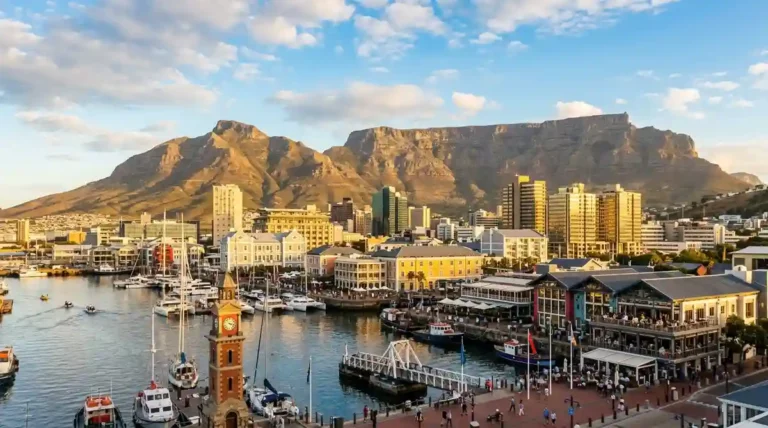
Sorting out residency in South Africa is more flexible than most people expect, because the country offers a genuine ladder of options: temporary work and business visas, a retirement route, a critical skills track, and a financial-independence permit that hands wealthy applicants permanent residence outright. The trick is matching the right rung to your situation.
South Africa wants skills, capital, and investment. It is far less interested in handing out residence to anyone who simply shows up. Get the category right and the process is logical. Get it wrong and you burn months in queues at the Department of Home Affairs. This guide lays out every realistic path.
Put your assets beyond reach in 57 jurisdictions.
Pick where you want your company. We handle the filing, the registered agent, and the bank introduction. From US$1,290, done in days, not months.
- Charging-order protection in jurisdictions courts can't pierce
- Zero tax on foreign income in 30+ territories
- Banking options available
- Fixed price. No surprise fees at closing
Temporary vs Permanent Residency in South Africa
The system splits cleanly in two. Temporary residence visas let you live in the country for a defined purpose and period, work, business, study, retirement, or family. Permanent residence gives you the right to stay indefinitely, with most of the rights of a citizen short of voting and a passport.
Almost everyone starts temporary and converts later. The big exceptions are the Financial Independence Permit and certain critical skills and business cases, which can deliver permanent residence more directly. Understanding which bucket you fall into is the first real decision in any relocation plan.
Temporary Visa Routes
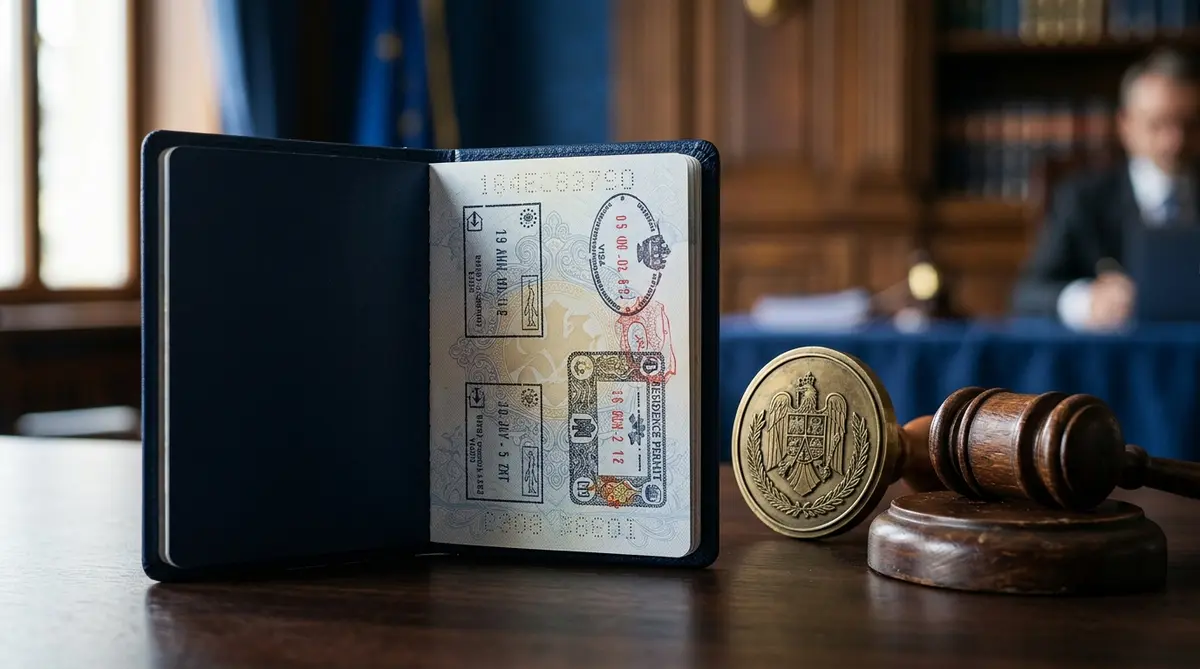
The Immigration Act sets out the main temporary categories. These are the workhorses.
| Visa | Who it is for | Key requirement |
|---|---|---|
| Critical Skills Work Visa | Professionals in scarce occupations | Qualification on the official Critical Skills list plus recognition |
| General Work Visa | Workers with a confirmed job offer | Job offer plus a labour-market test showing no local was available |
| Business Visa | Entrepreneurs and investors | About R5 million (about $305,000) capital plus at least 5 local jobs (capital waivable with DTIC sign-off) |
| Retired Person’s Visa | Retirees and the financially comfortable | Around R37,000 (about $2,250) a month in pension or passive income, no age limit |
| Relative’s Visa | Family of citizens and residents | Proof of relationship and financial support |
The Critical Skills Work Visa is the standout for professionals. If your occupation sits on the official list, you get a clear, skills-based route in, and after five years on that visa with relevant post-qualification experience you can pursue permanent residence under Section 27. The Retired Person’s Visa is the gentlest entry for anyone with steady passive income, and we cover it in depth in our guide to those who want to retire abroad across different jurisdictions.
The Fast Track: Financial Independence Permit
Here is the rung that high-net-worth applicants love. The Financially Independent Permit grants permanent residence directly to anyone who can prove a net worth of at least R12 million (about $730,000) and pays a one-time, non-refundable government fee of R120,000 (about $7,300).
The detail that surprises people: you do not have to transfer the R12 million (about $730,000) into South Africa. It only needs to be proven to exist. No job creation, no business plan, no waiting five years. For someone with the assets, this is the cleanest path to permanent residence here that exists, and it mirrors the logic of investment-led residence programmes we analyse in Mexico and Uruguay.
Permanent Residence Under Sections 26 and 27
Permanent residence comes in two legal flavours, and knowing the difference saves confusion.
- Section 26, direct residence. For people with existing ties, chiefly those who have held a work visa in the same category for five continuous years. Spouses and children of citizens and permanent residents also fall here.
- Section 27, residence on other grounds. Based on the value you bring. This covers critical skills (after five years on the visa), business investors meeting the capital and jobs tests, and the financial independence route with its R12 million (about $730,000) net worth threshold.
Whichever section applies, build in patience. Permanent residence applications are notorious for long processing, and timelines have stretched in recent years. Keep your temporary status valid the whole way through, because letting it lapse can collapse the entire plan.

Tax and Residency in South Africa
The numbers don’t lie, so let’s be clear about the tax consequence of staying. South Africa taxes tax residents on worldwide income. Hold a residence permit and spend enough time in the country and you can become tax resident, which pulls your foreign income into the South African net.
Tax residency turns on two tests: the ordinarily-resident test and the physical-presence test. The physical-presence test broadly counts whether you are present 91 days or more in the current tax year and in each of the prior five years, plus 915 days in total across those five. Cross those thresholds and you are resident. Personal income tax then ranges from 18% up to 45% on income above roughly R1.88 million (about $115,000), with capital gains taxed at a maximum effective 18% and dividends at 20%.
Immigration status and tax status are separate questions, and that gap is where good planning lives. You can hold a residence permit while carefully managing your days to remain non-resident for tax, or you can embrace tax residence and use treaty relief. Decide deliberately, not by accident. This is the same discipline we apply to citizenship planning for clients with assets in several countries.
How to Get Residency in South Africa: Step by Step
Step 1: Match yourself to a category. Skilled professional, investor, retiree, or financially independent. The category dictates the whole process, so choose carefully.
Step 2: Build your evidence pack. Qualifications and SAQA recognition for critical skills, a business plan and capital proof for business, or net-worth statements for financial independence.
Step 3: Lodge the application. Submit through the relevant South African mission or VFS centre, with police clearance and medical reports included.
Step 4: Keep your status valid. Renew on time and track the five-year mark if you are heading toward Section 26 or 27 permanent residence.
Step 5: Apply for permanent residence. Once you meet the category requirements, file for PR. From there, naturalisation becomes possible after the qualifying period.
Residency in South Africa vs Other Options
How does it compare with the residence programmes people weigh against it? Every figure below is current for 2026.
| Country | Fast investor route | Tax on resident foreign income | Years to citizenship |
|---|---|---|---|
| South Africa | R12m (about $730,000) net worth (PR direct) | Worldwide, up to 45% | 5+ (naturalisation) |
| Mexico | Income or savings thresholds | Worldwide, up to 35% | 5 (2 if married to a citizen) |
| Uruguay | Investment or income proof | Modified source-based; 12% on some foreign capital income from 2026 | 3 to 5 |
| Portugal | Golden visa (fund or other qualifying routes) | Worldwide for residents | 10 ordinary, 7 for EU/CPLP/Sephardic |
Two things jump out. First, South Africa does not pretend to be a low-tax base for residents, the way some chase. Second, its citizenship clock is shorter than Portugal’s reformed 10-year wait. If a lower-tax Latin American base appeals, our guides to Belize and Indonesia are worth a read alongside this one.
Common Mistakes With Residency in South Africa
- Choosing the wrong visa category. Applying on a general work visa when you qualify for critical skills wastes time and money.
- Letting temporary status lapse. A gap can reset your five-year clock or void a pending PR application.
- Assuming PR is quick. Permanent residence processing is slow. Plan around it.
- Forgetting tax residency. Spending too many days triggers worldwide taxation without you noticing.
- Underestimating the business visa burden. The capital and job-creation tests are real unless formally waived.
What is the fastest route to residency in South Africa?
How much money do I need for the financial independence permit?
How long until I can apply for permanent residence?
Does residency in South Africa make me a tax resident?
Can I get residency in South Africa through a critical skills visa?
What does the business visa require?
Can my family join me?
Does residency lead to citizenship?
Final Thoughts
Residency here is not one program, it is a ladder. Wealthy applicants can leap to permanent residence with the financial independence permit, skilled professionals ride the critical skills track, and retirees enter gently on passive income. The mistakes that sink people are choosing the wrong category and ignoring the tax clock. Fix both and the path is clear.
Want a plan built around your profile and tax position? Explore our residency service, or read how comparable routes work in our guide to residency in Mexico.
Sources and References
- Embassy of South Africa, Types of Visas and Requirements
- South African Government, Immigration Services
- South African Revenue Service, Tax and Non-Residents
- PwC Tax Summaries, South Africa: Individual Residence
- South African Revenue Service, Rates of Tax for Individuals