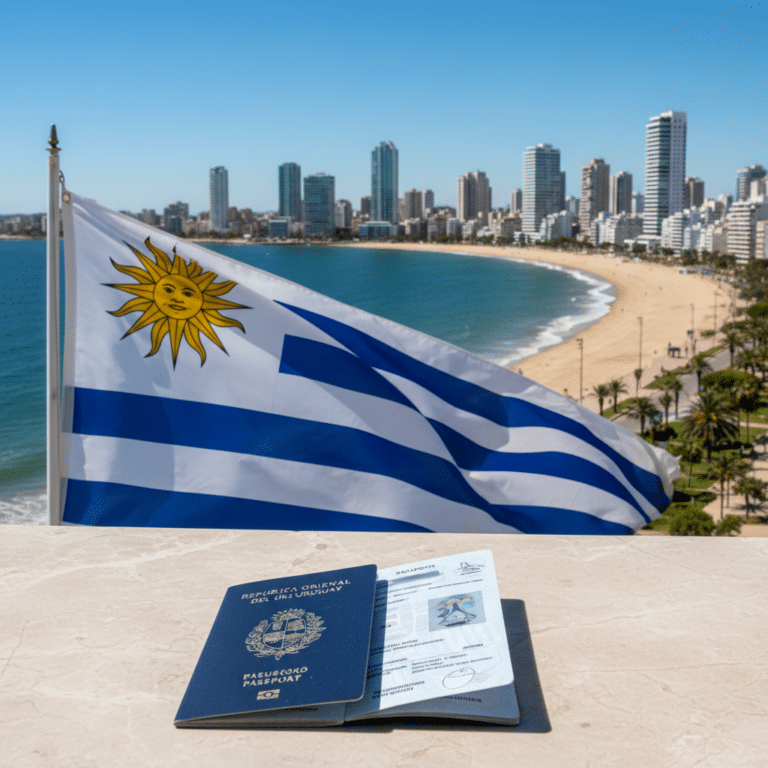
Uruguay 2026: Five Hidden Financial Traps
Uruguay earned its reputation as South America’s Switzerland through decades of political stability and economic predictability. This small nation between Argentina and Brazil attracts thousands of expatriates seeking peace, safety, and tax advantages. Yet beneath this appealing surface lie five specific obstacles that transform retirement dreams into expensive nightmares for professionals over 50.
I’ve witnessed countless expatriates arrive with high expectations only to find themselves bleeding money through unexpected channels. These problems differ completely from typical South American challenges. While Colombia struggles with security and Venezuela faces economic chaos, Uruguay’s issues revolve around silent financial drains that compound over time.
Weather That Drains Your Wallet Through Constant Management
Forget Mediterranean comparisons. Uruguay’s climate operates on humidity and wind patterns that create year-round maintenance headaches. Montevideo averages 81% humidity in June and 70% in January. This transforms warm days into sticky discomfort and cool periods into bone-chilling dampness.
The financial impact starts small then multiplies. Dehumidifiers run constantly, consuming electricity at $0.26 per kilowatt hour. Laundry takes forever to dry, forcing extra wash cycles. Mold grows on walls when humid indoor air meets cold surfaces, particularly dangerous for older residents with respiratory sensitivities. Species like Stachybotrys chartarum thrive in these conditions.
Winter brings the sudestada – southeasterly winds reaching 45 knots that last for days. Salt spray corrodes vehicles. Building facades deteriorate faster. Some coastal areas face four-meter water surges. Every maintenance task costs more and happens more frequently than anticipated.
Regional Climate Variations
Uruguay spans an area larger than Florida or Greece, creating diverse microclimates. Winter temperatures rarely drop below zero Celsius, while summer peaks around 32-33 degrees. Northern regions stay warmer and drier. Coastal zones face stronger winds. Mountain areas experience wider temperature swings. Each zone requires different adaptation strategies and associated costs.
When Tranquilo Becomes Expensive Inefficiency
Uruguay’s relaxed culture attracts people seeking escape from corporate pressure. This same tranquility creates expensive delays when you need anything accomplished. Residency applications demonstrate this perfectly – initial appointments take two months to schedule, then the process stretches from six months to two years.
During this limbo period, you cannot open certain investment accounts. Property purchases become complicated. Healthcare enrollment faces restrictions. Each delay compounds into lost opportunities and temporary solutions that cost more.
The Gestor Economy
Locals navigate bureaucracy through gestores – professional fixers who shepherd paperwork through government offices. Uruguay ranks lowest for corruption in South America, so bribes don’t work. Instead, gestores know which clerk handles specific forms, when offices actually process applications, and how to avoid procedural dead ends. Their fees range from $500 to $2,000 depending on complexity.
Demographics worsen these delays. Uruguay’s elderly dependency ratio hits 24.7%, with total dependency near 52%. Fewer working-age people support more retirees. Government offices reduce hours. Processing times extend. Finding skilled tradespeople becomes harder as younger Uruguayans emigrate to Europe or North America.
Import Taxes Transform Basic Purchases Into Major Investments
Uruguay protects domestic industries through aggressive import duties. A Toyota RAV4 Hybrid selling for $31,900 in America costs $66,000 in Uruguay. That $34,000 difference represents pure tax burden with zero added value. Budget vehicles show identical patterns – a Suzuki Swift jumps from $14,000 to $26,000.
Electronics face similar markups. An iPhone 16 Pro Max launches at $1,199 in the US but sells for $1,700-$1,900 through Uruguayan retailers. Laptops, tablets, and work equipment all carry these premiums. When your computer fails on Tuesday morning, replacement becomes an urgent $2,000 expense instead of a $800 purchase.
The Mule Economy Response
Uruguayans adapted by creating informal import networks. Travelers stuff extra suitcases with electronics and clothing during trips abroad. Friends coordinate purchases. WhatsApp groups share flight schedules. This works for planned purchases but fails during emergencies. Warranties become void. Support disappears. Repairs require international shipping.
Gasoline adds ongoing expense at $2 per liter – roughly $7.57 per US gallon. Daily transportation becomes a significant budget item, especially for those accustomed to North American fuel prices.
Real Estate: Safe Investment, Impossible Exit
Property appears attractive for stability seekers. Prices hold steady. Ownership rights stay protected. Legal systems function properly. Yet selling becomes a multi-year ordeal that traps capital when you need flexibility most.
Cash-only transactions dominate because mortgage lending barely exists for foreigners and remains restrictive for locals. Your buyer pool shrinks to people holding hundreds of thousands in liquid funds. Argentine and Brazilian economic cycles directly impact demand – when those economies wobble, Uruguayan property freezes.
Transaction Cost Mathematics
Buying involves 3% agent commission plus VAT, 3% notary fees plus VAT, and 2% transfer tax. Selling repeats these expenses. Capital gains tax takes 12% of any profit. A $300,000 apartment costs $24,000 to buy and another $24,000 to sell. If you gain $50,000 in value, taxes claim $6,000. Your net position barely moves despite years of ownership.
Rental income faces heavy taxation too. Those planning to establish fiscal residency through six-month stays while renting the other half-year discover yields shrink dramatically after taxes. Properties outside premium Montevideo neighborhoods sit unsold for 6-18 months. Some never sell at expected prices.
Cost of Living Surpasses Most Global Alternatives
Uruguay’s cost index reaches 46.33 – by far South America’s highest. Colombia sits at 26, making Uruguay 78% more expensive. This gap destroys geo-arbitrage strategies. You pay near-European prices without European infrastructure or services.
Electricity bills range $150-$300 monthly for normal comfort levels. Private health insurance for 60-plus males runs $140-$230 monthly before copays. Groceries cost more than Chile or Mexico due to import dependence and limited competition. Restaurant meals approach US prices. Services like plumbing or electrical work command premium rates due to labor shortages.
The 2025-2026 Tax Revolution
Recent budget legislation expanded personal income tax to include foreign capital gains. The old tax-haven appeal evaporates. Combined with high living costs, Uruguay transforms from tax shelter to expensive bureaucracy. Other Latin American nations offer better value propositions without sacrificing safety or stability.
Strategic Alternatives and Solutions
Understanding these traps enables avoidance strategies. Short-term rentals beat property purchases for flexibility. Border towns near Brazil offer shopping alternatives. Learning Spanish accelerates bureaucratic processes. Hiring gestores upfront saves months of delays.
Climate zones matter enormously. Northern departments like Salto stay warmer and drier. Eastern beach towns face fewer wind events. Rural areas escape urban pricing but lack services. Each choice involves specific trade-offs worth researching thoroughly.
Making an Informed Decision
Uruguay delivers genuine benefits – low crime, functioning institutions, pleasant society. These advantages come with quantifiable costs that many expatriates underestimate. The country works best for those prioritizing safety above financial efficiency, accepting higher expenses for peace of mind.
Alternative destinations worth investigating include Panama’s territorial tax system, Paraguay’s minimal bureaucracy, or Chile’s superior infrastructure at similar costs. Each country presents distinct advantages depending on individual priorities and financial situations.
The Switzerland comparison holds partially true – both countries offer stability at premium prices. Whether that trade-off makes sense depends entirely on your specific circumstances, health needs, and tolerance for inefficiency. Uruguay succeeds as a safe haven but fails as a budget paradise. Plan accordingly, budget generously, and maintain realistic expectations about what your money buys in this small corner of South America.