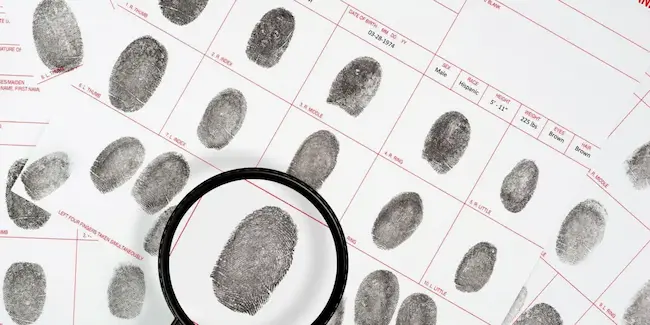
Most countries demand a criminal record check when you apply for residency. It’s one of the first documents they ask for — and one of the biggest headaches.
Getting a police clearance can take weeks. Sometimes months. And if you have even a minor offence from years ago, it can kill your bid outright. That’s true even when the offence was small and happened decades back.
But here’s what most people don’t know. Not every country asks for one. Several popular places skip the rule entirely. Others have workarounds that let you sidestep the process.
We get asked about this all the time at Liberty Mundo. Clients want to know where they can live legally without handing over their record to a foreign state. Some have records. Most don’t. They just don’t want the hassle — or they’d prefer their own state not know they’re planning to leave.
Whatever your reason, you’ve got solid options. Here are five countries where you can get residency without a criminal record check in 2026.
France — No Criminal Record Check for Residency
France surprises people. You’d think a country with this much bureaucracy would demand a criminal background check. They don’t.
The process starts with a long-stay visa. You apply at your local French consulate before you travel. Once you arrive in France, you head to the local prefecture within three months to get your Carte de Séjour (residence card).
France has dozens of visa categories. There are options for employees, entrepreneurs, retirees, students, and investors. The Visiteur visa works well for people with passive income who want to live in France without working. The Passeport Talent suits business founders and skilled professionals.
Certain categories — including the Visiteur and Passeport Talent — don’t require a criminal record check or police clearance from your home country.
After five years of living there, you can apply for permanent status. French citizenship opens up after the same period if you show language skills and ties to the local way of life.
Mexico — The Easiest Residency in the Americas
Mexico remains the go-to for North Americans looking for straightforward residency. The process is painless compared to almost anywhere else.
You need to show either income or savings. The thresholds are modest and tied to the Mexican minimum wage, so the exact dollar amounts shift with the exchange rate. Check the latest figures at your local Mexican consulate. But the key point is this — no criminal record check. No police clearance. No FBI report.
The temporary resident visa lasts one to four years. After four years, you qualify for permanent residency. Citizenship comes after five years total if you want it.
Mexico’s appeal goes beyond simple paperwork. The cost of living is low. Healthcare is excellent and affordable. The food is world-class. And you’re never far from the United States if you need to pop back.
For anyone building an offshore structure, Mexico pairs well with an offshore company setup in a zero-tax jurisdiction. Your Mexican residency gives you a solid base while your business income stays protected.
| Mexico Residency Requirement | Details |
|---|---|
| Criminal Record Check | Not required |
| Income Requirement | Based on Mexican minimum wage (check consulate for current figures) |
| Temporary Residency Length | 1–4 years (renewable) |
| Path to Permanent Residency | After 4 years |
| Path to Citizenship | After 5 years |
| Real Estate Option | Yes — minimum value tied to Mexican minimum wage |
Cambodia — Business Visa on Arrival, No Background Check
Cambodia is the standout on this list. It’s possibly the easiest country in the world to set up long-term residency — and the criminal record check simply doesn’t exist in their standard visa process.
Here’s how it works. You fly into Phnom Penh, Siem Reap, or Sihanoukville and get a business visa (Type E, also called the Ordinary Visa) stamped into your passport on arrival. It costs $35 and takes about fifteen minutes. No advance paperwork. No police clearance. No background check of any kind.
That 30-day visa is your gateway to long-term residency. Once you’re in Cambodia, you extend the visa through a local agent or immigration office. Extensions are available for 3, 6, or 12 months under several categories.
| Cambodia Visa Extension Type | Who It’s For | Duration |
|---|---|---|
| EB (Business) | Employees, freelancers, business owners | 6 or 12 months (renewable) |
| EG (General) | Job seekers, those settling in | 6 or 12 months |
| ER (Retirement) | Retirees 55+ | 6 or 12 months (renewable) |
| ES (Student) | Students enrolled in local institutions | 6 or 12 months |
The EB route is the most popular among expats and business owners. It lets you work, run a firm, or freelance in Cambodia. You’ll need a letter from a local company or proof of your own registered business for the renewal — but there’s still no background check.
Renewals happen every year. People have been living in Cambodia on rolling EB visa extensions for over a decade. The system is well understood and completely routine.
Cambodia’s Cost of Living
Phnom Penh and Siem Reap offer a remarkably low cost of living. A comfortable apartment runs $300–$600 per month. Eating out costs a fraction of what you’d pay in the West. The dollar goes a long way — Cambodia’s economy runs largely on USD, which means no currency exchange headaches.
The CM2H Programme
For those with more cash to play with, Cambodia launched the My Second Home (CM2H) scheme. It asks for a $100,000 real estate buy-in and grants a 10-year visa that you can renew. The scheme checks for records within Cambodia only — not from your home country. After five years, you can apply for a Cambodian passport.
Cambodia doesn’t tax income earned overseas. Pair that with smart asset protection, and it becomes one of the best bases in Southeast Asia for people who earn and live across borders.
Italy — Residenza Elettiva Skips the Background Check
Italy is trickier than the others on this list. Most of their visa categories do require a criminal record check. The investor visa, for example, demands a clean police clearance.
But there’s one category that doesn’t — the Residenza Elettiva (elective residency) visa.
This visa suits retirees and people with passive income. You can’t work in Italy on it, but you can live there full-time. You’ll need to show you have enough income or savings to get by without a job. The bar varies by consulate but tends to fall between €31,000 and €50,000 per year.
You apply at your local Italian consulate before you travel. Once you land, you must apply for a Permesso di Soggiorno (stay permit) within eight days. Twenty days after you get that, you sign up for a residency card in your local area.
No criminal record check at any point in this process.
After five years of living there, you can apply for permanent status or full citizenship. Italy also grants citizenship by descent (jure sanguinis) if you have Italian roots — a whole other path worth a look.
| Italy Residenza Elettiva | Details |
|---|---|
| Criminal Record Check | Not required |
| Work Allowed | No — passive income only |
| Income Requirement | ~€31,000–€50,000/year (varies by consulate) |
| Application | At local Italian consulate before travel |
| Path to Permanent Residency | After 5 years |
| Path to Citizenship | After 5–10 years (or via descent) |
Peru — No Background Check (With the Right Approach)
Peru is interesting because the rules depend on how you apply.
If you enter Peru on a tourist visa and then apply for a status change to a residency visa from inside the country, you won’t need to provide a criminal record check. However, immigration will run an Interpol status check on you. For most people, that’s fine. But if you’d rather avoid even that, there’s a better route.
Apply for your residency visa before entering Peru. You’ll need to nominate someone already in Peru — typically a local immigration lawyer — to submit your application at the Peruvian immigration office. The visa then gets issued at your local Peruvian consulate. This route skips both the criminal record check and the Interpol search entirely.
Peru’s income requirements are low. The cost of living is very affordable, especially outside Lima. And here’s the draw — Peru still offers a relatively fast path to citizenship. You can apply for a Peruvian passport after five years of residency.
A second passport is one of the most important pieces of your personal freedom strategy. Our Extradition Report explains exactly why — and what you need to know before making your move.
Full Comparison: Residency Without a Criminal Record Check
This side-by-side comparison shows the key details for each country. Use it to quickly identify which option fits your situation best.
| Country | Criminal Record Check | Income / Savings Requirement | Time to Permanent Residency | Time to Citizenship | Can You Work? |
|---|---|---|---|---|---|
| France | Not required | Varies by visa category | 5 years | 5 years | Depends on visa type |
| Mexico | Not required | Modest (tied to minimum wage) | 4 years | 5 years | With work permit |
| Cambodia | Not required | None for business visa on arrival | Renewable annually | 7 years (+ language) | Yes (EB visa) |
| Italy | Not required (Residenza Elettiva) | €31,000–€50,000/year passive income | 5 years | 5–10 years | No |
| Peru | Avoidable (apply before entry) | Low income threshold | 2 years | 5 years | Yes |
Get the Full Picture on International Risk
Before you relocate, you need to understand extradition treaties, information sharing agreements, and how your home country can still reach you abroad. The Extradition Report covers everything.
Download The Extradition ReportWhy People Avoid the Criminal Record Check
It’s worth addressing this directly because there’s a common misconception. People assume that anyone avoiding a criminal record check must have something to hide. That’s rarely the case.
Here are the real reasons our clients at Liberty Mundo prefer to skip the criminal background check:
Privacy. Asking for a police clearance from your home state signals that you’re seeking a visa abroad. Some people — those in tricky spots — don’t want that on the radar.
Time. Getting a police clearance can take months. The FBI report, for one, needs prints and can take 12–18 weeks. If you need to move fast, that’s a problem.
Old, minor offences. A youthful mistake from twenty years ago can still show up on your record. Many countries reject you outright — even for things that wouldn’t raise an eyebrow in real life.
Red tape. Some countries want stamped papers, sworn translations, and trips to government offices. It adds cost, delay, and stress to a process that’s already complex.
If any of this sounds familiar, it’s worth talking through your options with someone who understands the full landscape. Book a strategy call with Richard Barr to get personalised guidance on the best country and visa pathway for your situation.
What About Countries That Do Require a Criminal Record Check?
Most countries require some form of police clearance for residency. But requirements vary wildly. Some countries only care about serious offences. Others will reject you for a decades-old misdemeanour.
A few things worth knowing:
Ecuador asks for a background check, but small offences from years ago don’t mean an auto-reject. They set up a panel review, and you can even appeal.
Panama wants a police clearance from your home country and any country you’ve lived in for more than two years. The bar is fairly high.
Thailand asks for a check for most long-term visa types, including both retirement and business visas.
The lesson? Don’t think you’re stuck just because one country said no. Rules vary widely, and the five we’ve listed here don’t ask at all.
For tips on setting up your life across borders — including offshore banking and corporate setups — it pays to work with people who’ve done this thousands of times.
Frequently Asked Questions
Next Steps
If you’re serious about relocating without a criminal record check, start by narrowing down which country fits your lifestyle and financial situation. Cambodia is the fastest and cheapest to get started. Mexico offers the most familiar environment for North Americans. France and Italy give you European Union access. Peru lets you skip the background check entirely if you plan ahead.
But residency is just one piece of the puzzle. You also need to think about asset protection, tax planning, banking access, and — if you’re concerned about political risk — your exposure to extradition treaties and information sharing agreements.
That’s what we do at Liberty Mundo. We work with clients worldwide to build plans that cover residency, second passports, offshore setups, and rock-solid asset safety.
Two places to start:
1. Get The Extradition Report — Understand exactly how extradition treaties work, which countries cooperate with your home government, and how to position yourself safely.
2. Book a strategy call with Richard Barr — Get a plan built for your life, your assets, and your goals. One call can save you years of guesswork.
The window to act is now. Governments share more data with each other every year. They’re making it harder to move freely. The countries on this list still offer clear paths — but that could change. Don’t wait until the door shuts.