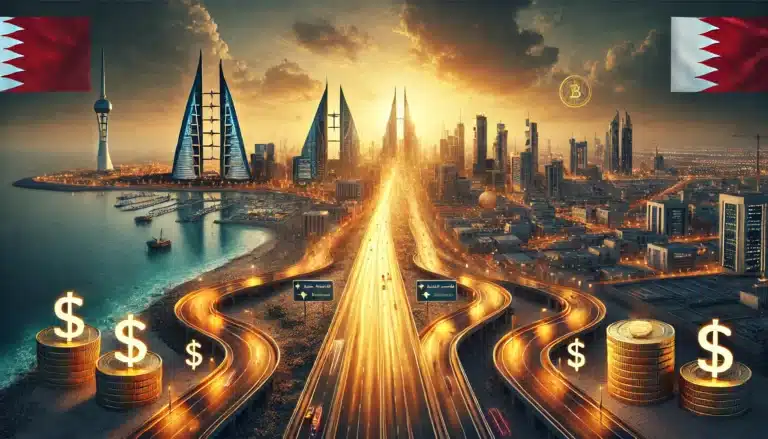
Bahrain: The Last True Tax Haven in the Middle East
Picture this: a small island nation nestled in the Persian Gulf, where personal and corporate taxes are still virtually non-existent. Welcome to Bahrain, a country that’s managed to maintain its status as one of the world’s last genuine tax havens while remaining surprisingly livable.
A Liberal Oasis in the Middle East
For decades, Bahrain has been the Middle East’s open secret. While its neighbors enforced strict religious laws, Bahrain took a different path. There’s an old saying that “Allah has no eyes in Bahrain” – a cheeky reference to its more relaxed attitude toward social restrictions.
I’ve heard countless stories from Saudi expats about their weekend getaways to Bahrain. It’s like having Vegas next door to a monastery, minus the casinos.
The Tax Situation: Too Good to Last?
Here’s where things get interesting. While places like Dubai and Abu Dhabi have started implementing various taxes, Bahrain has stubbornly held onto its tax-free status. No personal income tax. No corporate tax. Nada. But there’s a catch – recent rumblings suggest changes are coming.
The New Remittance Tax Proposal
Bahrain’s considering something completely different from the usual playbook. Instead of taxing money coming in, they’re looking at taxing money going out. It’s like they’ve taken the traditional remittance-based tax system and turned it on its head.
Think about it – most tax havens like Malta, Singapore, and Thailand tax money when it enters their borders. Bahrain’s proposal would hit outgoing transfers instead. It’s particularly aimed at foreign workers sending money home, which has sparked concerns about creating a black market for money transfers.
Why Bahrain Isn’t Dubai (Yet)
Let’s be real for a minute. While Bahrain offers amazing tax benefits, it’s not exactly Dubai. The nightlife’s quieter, the shopping’s less extravagant, and there’s generally less happening. Even Oman, which isn’t typically considered a major player, offers more in terms of lifestyle and amenities.
The Oil Revenue Challenge
Here’s the thing – Bahrain, like many Gulf states, is facing a classic problem. Oil revenues are declining, and they need to figure out how to keep the lights on. Unlike Dubai, which gets only a tiny fraction of its GDP from oil and has successfully diversified its economy, Bahrain’s still heavily dependent on black gold.
Dubai’s success story is pretty remarkable when you think about it. They’ve just hit a record of 92 million airport arrivals annually. That’s astronomical! They’ve built an economy that thrives on tourism, trade, and foreign investment, allowing them to implement selective taxes without scaring away business.
Living and Working in Bahrain
Despite the tax benefits, Bahrain isn’t usually the first choice for international business setups. The infrastructure isn’t quite there, and the business environment isn’t as dynamic as Dubai or Abu Dhabi. However, for those looking for a genuine tax haven with decent living standards, it’s worth considering.
Banking Options
The banking sector in Bahrain is surprisingly robust. You’ve got multiple options for both personal and business banking, and the regulatory environment is still relatively friendly. However, the potential new remittance tax could shake things up considerably.
The Future of Bahrain’s Tax Haven Status
The writing might be on the wall. As oil revenues continue to decline, something’s got to give. The proposed remittance tax could be just the beginning of broader changes. Whether this experimental approach works or backfires remains to be seen.
What This Means for Investors and Expats
If you’re considering Bahrain as a tax optimization strategy, timing is crucial. The current situation offers unique opportunities, but the landscape is shifting. The key is to stay flexible and keep an eye on regulatory changes.
For those already in Bahrain or considering it, the best approach might be to treat it as a medium-term opportunity rather than a permanent solution. The tax advantages are real, but so are the challenges of building a sustainable economy in a post-oil world.
Final Thoughts
Bahrain stands at a crossroads. While it remains one of the last true tax havens, the pressure to find new revenue sources is mounting. The proposed remittance tax might be an innovative solution or the first step toward a more conventional tax system.
For now, Bahrain offers unique opportunities for tax optimization and lifestyle benefits, albeit with some tradeoffs. Whether it can maintain its position as a tax haven while building a sustainable economy is the million-dollar question.
Remember, in the world of international tax planning, nothing lasts forever. The key is staying informed and adaptable. Bahrain’s story is still being written, and the next chapter could be quite different from the last.