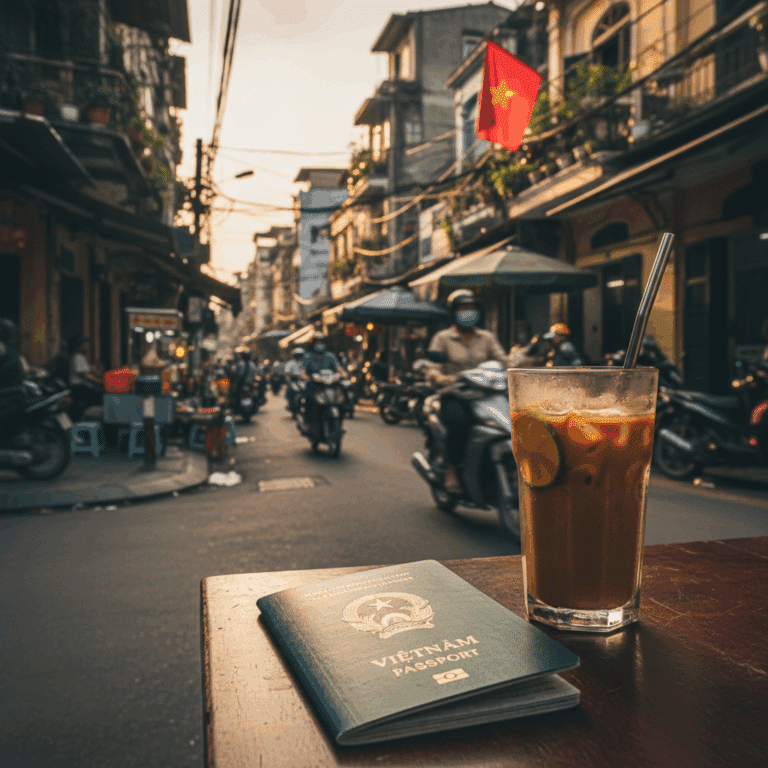
Vietnam’s New Golden Visa Opens Fresh Doors for Tax-Conscious Expats
The golden visa landscape shifts once again. Vietnam steps forward with an ambitious residency program while traditional havens slam their doors shut. For investors and digital professionals seeking lower taxes and geographic flexibility, this Southeast Asian nation presents an intriguing proposition.
Spain pulled the plug on its golden visa. Greece raised the bar. Portugal tightened requirements. The message seemed clear: wealthy foreigners weren’t quite as welcome anymore. Yet Vietnam moves in the opposite direction, announcing a five to ten-year visa program designed to attract international capital and talent.
What Makes Vietnam’s Golden Visa Different
The standout feature? Passive investment options. Previous Vietnamese investor visas demanded active business involvement. You needed to roll up your sleeves, hire staff, manage operations. The new program changes the game entirely.
Processing times should improve dramatically too. Current investor visas often take four to six months despite official promises of three-month turnarounds. Vietnam’s push toward digitization should streamline applications significantly. Less paperwork, fewer office visits, faster approvals.
The financial threshold appears competitive compared to European alternatives. While final figures await official confirmation, early indications suggest entry points well below the million-dollar marks common in Western programs.
Understanding Vietnam’s Tax Advantages
Most people don’t realize Vietnam offers surprising tax benefits for foreign residents. The country operates on a territorial tax system for certain income types. Foreign-sourced income often escapes Vietnamese taxation entirely when structured properly.
Personal income tax rates start at 5% and cap at 35%. But here’s where things get interesting: non-residents pay flat rates on Vietnamese income, often just 20%. Compare this to Western nations where top rates exceed 50%, and the math becomes compelling.
Corporate tax sits at 20%, with preferential rates as low as 10% for specific sectors. Technology companies, manufacturers, and certain service providers qualify for extended tax holidays. Some operations pay zero corporate tax for their first four years.
Living Costs That Make Sense
A luxury apartment in Ho Chi Minh City’s District 1 runs $1,500 monthly. The same space in Singapore? Try $5,000. Bangkok? At least $3,000. Your dollar stretches further in Vietnam without sacrificing quality.
Dining exemplifies this value proposition. A meal at a high-end restaurant costs $30-50 per person. Street food, which rivals any Michelin establishment for flavor, sets you back $2-5. The French colonial influence created a unique culinary fusion you won’t find elsewhere in Asia.
Vietnamese coffee deserves special mention. The country produces exceptional beans, creating bold, chocolatey brews that put overpriced Western chains to shame. A proper Vietnamese coffee costs $1-2, served with the kind of attention to detail that disappeared from most Western cafes decades ago.
Current Visa Options While You Wait
The golden visa won’t launch immediately. In the meantime, several paths exist for those eager to experience Vietnam now.
The DT1-DT4 Investor Categories
These existing visas range from 12 months to five years. Investment minimums start around $120,000 USD (converted from Vietnamese dong). The upper threshold reaches approximately $4 million USD for those planning substantial ventures.
Here’s the catch: these require active investment. You need a real business, real employees, real operations. Fine if you’re planning to build something anyway. Less ideal if you simply want residency without daily management headaches.
One advantage? These visas lead to citizenship eligibility after five years. Few Asian nations offer such rapid naturalization. Thailand essentially never grants citizenship to foreigners. Malaysia makes the process nearly impossible. Vietnam says yes, though conditions apply.
Vietnamese citizenship requires language proficiency. The language uses Latin script thanks to French influence, making it easier than Chinese or Thai. Still, tonal languages challenge Western speakers. You’ll need genuine commitment to reach citizenship-level fluency.
Dual citizenship isn’t recognized. Officially, you must renounce other passports. How strictly authorities enforce this varies, but the legal requirement exists. The Vietnamese passport ranks low for visa-free travel, granting access to only 54 destinations without prior approval.
The 90-Day Tourist Visa Strategy
Many expats use tourist visas creatively. Vietnam offers 90-day tourist visas with relatively simple applications. When it expires, take a quick trip to Bangkok or Singapore, then return with a fresh visa.
This approach works but has limitations. You’re technically a perpetual tourist, which complicates banking, housing contracts, and business dealings. Some prefer this flexibility. Others find the uncertainty stressful.
Why Vietnam, Why Now?
Vietnam’s economy grew 8% in 2022, among Asia’s strongest performances. The nation of 100 million people offers a massive domestic market plus manufacturing capabilities that increasingly rival China’s.
The talent pool impresses. Vietnamese developers, designers, and engineers deliver quality work at competitive rates. English proficiency trails the Philippines but improves yearly as younger generations embrace global connectivity.
Infrastructure develops rapidly. New airports, highways, and urban rail systems appear constantly. Internet speeds match or exceed Western standards in major cities. 5G rollout proceeds aggressively.
Geography works in Vietnam’s favor. The country stretches along Southeast Asia’s eastern edge, providing stunning coastline, mountain retreats, and vibrant cities. Halong Bay, Dalat, and Phu Quoc offer world-class destinations without tourist hordes overwhelming Thailand’s beaches.
Practical Considerations
Banking presents occasional frustrations. Opening accounts requires patience and paperwork. International transfers face scrutiny. Cryptocurrency regulations remain unclear. These issues improve gradually but deserve consideration.
Healthcare in major cities meets international standards. Bangkok Hospital and FV Hospital provide Western-quality care at fraction of Western prices. Medical tourism thrives, with procedures costing 20-30% of US rates.
The monsoon season brings heavy rain from May through October in the south, November through March in the north. Air quality in Hanoi sometimes disappoints during winter months. Ho Chi Minh City stays warm year-round, which suits some but exhausts others.
Making Your Move
Vietnam’s golden visa represents opportunity amid global tightening. While established programs close doors, Vietnam opens them wider. The combination of favorable taxes, low living costs, and economic growth creates compelling arguments for consideration.
Start researching now. Visit for three months on a tourist visa. Test different cities. Ho Chi Minh City pulses with entrepreneurial energy. Hanoi offers culture and history. Da Nang provides beaches and modern infrastructure. Each city has distinct personality and advantages.
Network with existing expats. Vietnam’s foreign community grows daily, creating support systems for newcomers. Facebook groups, coffee meetups, and business associations provide connections and practical advice.
Consider professional guidance for tax structuring. Vietnam’s territorial tax system offers planning opportunities, but proper setup matters. The difference between paying 35% and paying nothing on foreign income depends entirely on structure.
The Bottom Line
Vietnam’s forthcoming golden visa signals the country’s ambition to attract international talent and investment. While established programs retreat, Vietnam advances. For those seeking Asian residency at reasonable costs, favourable tax rates, and genuine growth potential, Vietnam merits serious consideration.
The program won’t suit everyone. Language barriers exist. Infrastructure continues to develop. Banking occasionally frustrates. Yet for adventurous individuals willing to embrace something different, Vietnam offers rewards that are increasingly scarce elsewhere: affordability, opportunity, and a government actively courting foreign residents rather than pushing them away.